Login
Registered users

The design themes have been woven into a single engaging narrative that connects the city's cultural heritage and resources with the architectural asset, illustrating its style, peculiarities, chronological development, from its creation to the most recent events. The objective of the new exhibition route is to enable both real and virtual tours, varying over time, to discover not only the building and the type of private noble palaces but also the historical and artistic heritage of its territory.
The voting session is closed


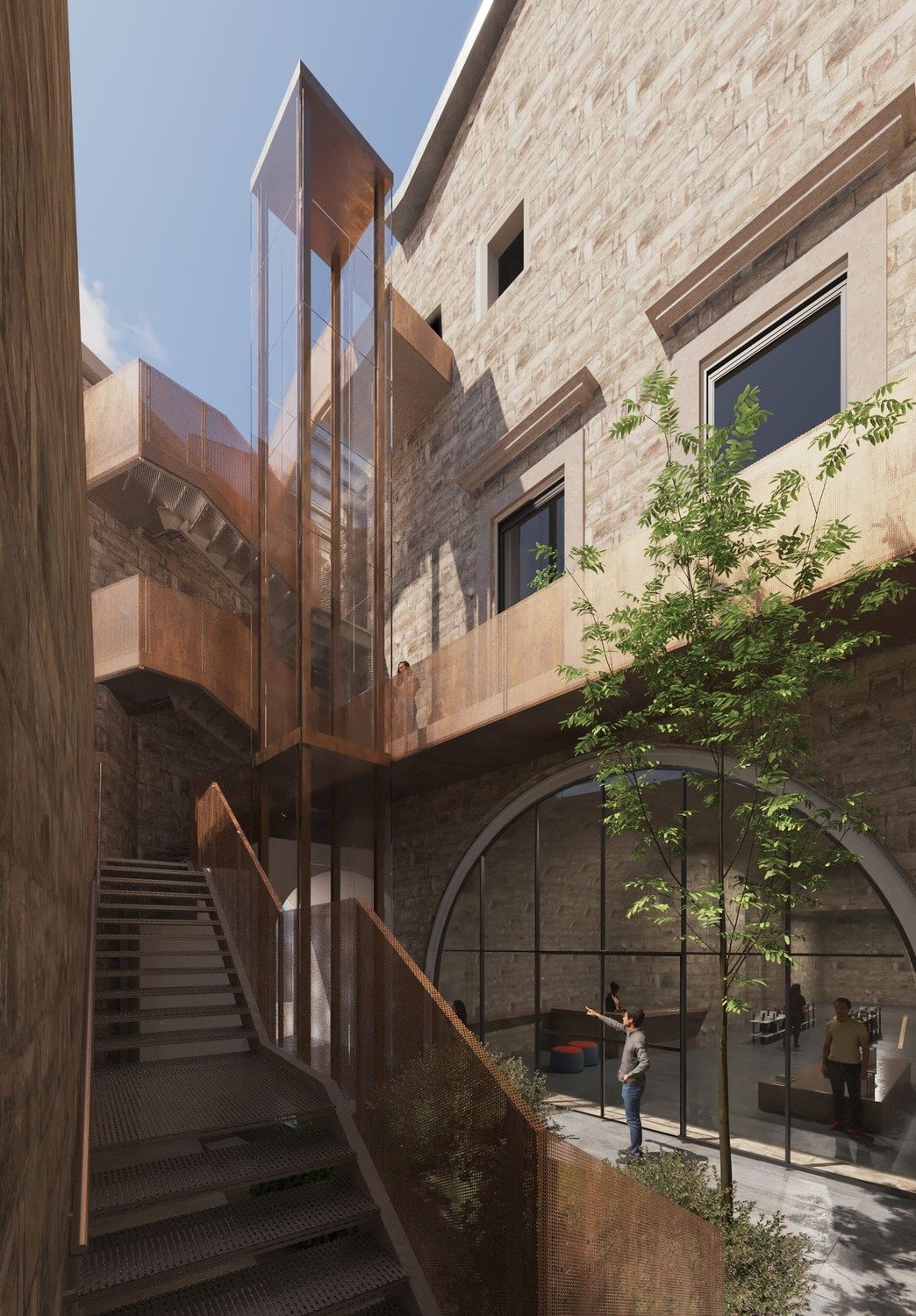
The project, taking into account the spatial, architectural, and distributive characteristics of the building, has defined and developed new purposes, allocating areas within the structure for exhibitions (considering the presence of various available collections), a documentary library, and spaces for municipal offices. Specific areas have been created for a conference room, public spaces, commercial areas, offices, and services for both staff and visitors. The refunctionalization and setup of the Palazzo have considered aesthetic, historical, and psychological aspects to create highly emotional experiences, disseminating the exhibited heritage to visitors and enriching the visit with new suggestions.

The renovation integrates sustainability through strategic choices in materials, technologies, and systems, aiming to reduce environmental impact, enhance energy efficiency, and ensure long-term durability, while preserving the building’s historical and architectural identity. Works include structural consolidation, reconfiguration of degraded parts, installation of electrical, special, HVAC and plumbing systems, execution of finishes, and the supply and arrangement of furnishings.

The design themes have been woven into a single engaging narrative that connects the city's cultural heritage and resources with the architectural asset, illustrating its style, peculiarities, chronological development, from its creation to the most recent events. The objective of the new exhibition route is to enable both real and virtual tours, varying over time, to discover not only the building and the type of private noble palaces but also the historical and artistic heritage of its territory. The museum has been divided into different historical themes that trace the history of the Disfida, the City, the Palazzo, and the historical noble life of Barletta.

A piece of the city's history becomes a bearer of the future and memories


T-studio is a working and research group that draws inspiration from constant confrontation on shared themes. Founded by Guendalina Salimei, it is now enriched by a multidisciplinary and research team; the group finds a specific field of investigation and activity in the complex relationships established between design methodologies and modes of intervention in the built and natural environment, often in conditions of urban decay and social discomfort, combining innovation and tradition with a sensitive awareness of the local habitus. Their research and projects, which have won awards in Italy and abroad, been exhibited on numerous occasions, and have been presented in national and international scientific journals and publications, are characterised by a holistic approach that brings together the study of form, knowledge of materials, and reinterpretation of urban and natural contexts in integrated systems that are attentive to aesthetic, social, historical and ecological urgencies