Accedi
Utenti registrati

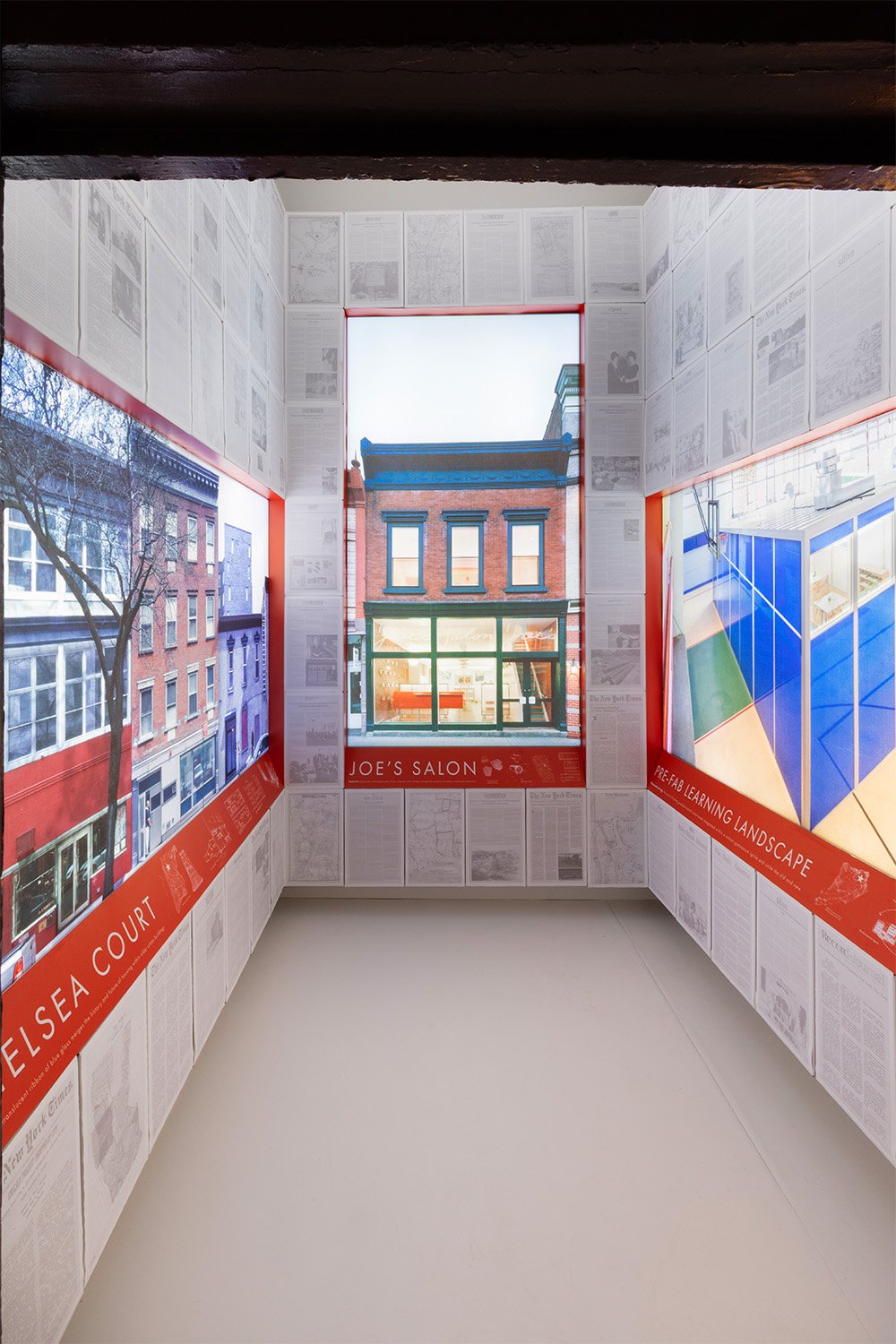
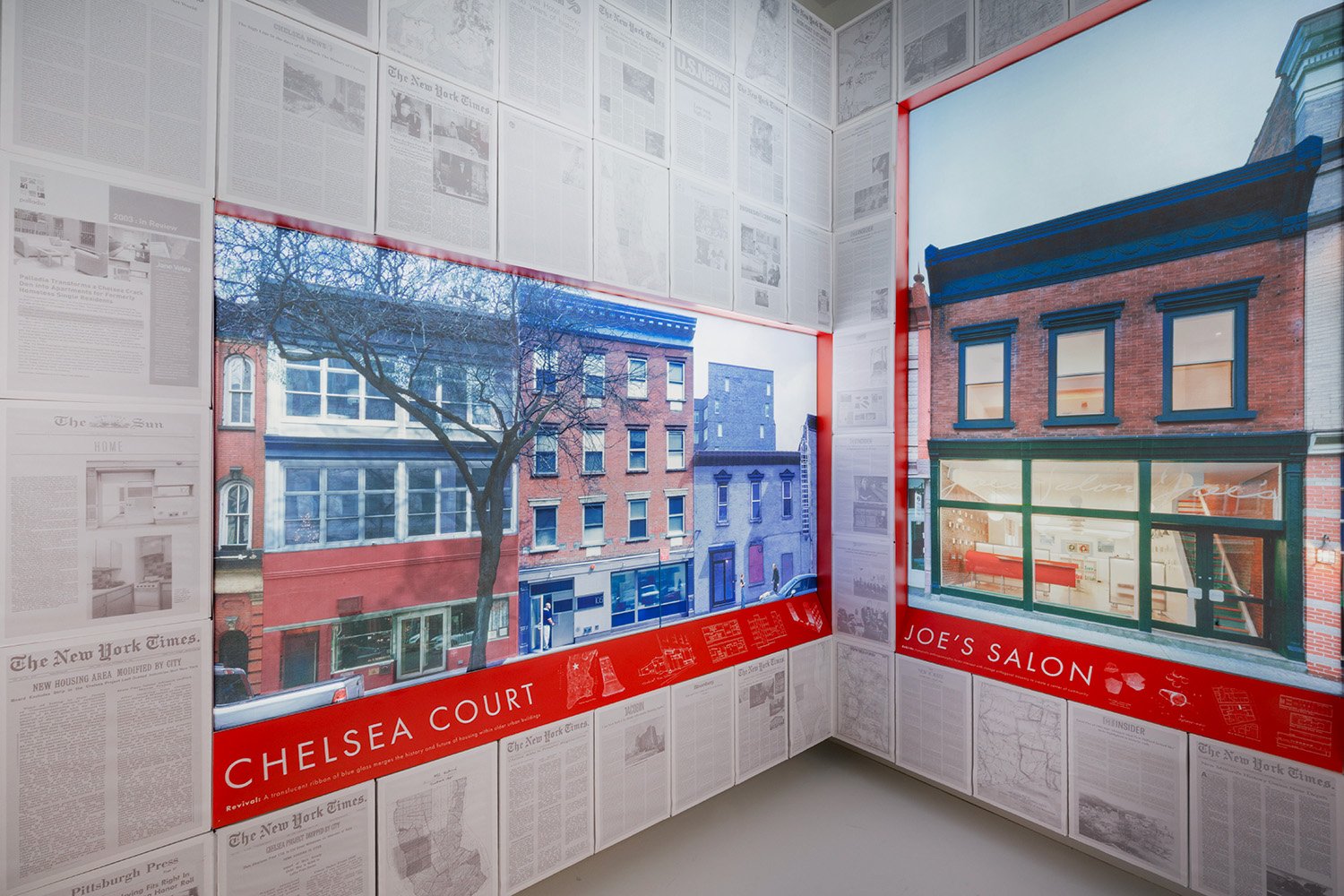
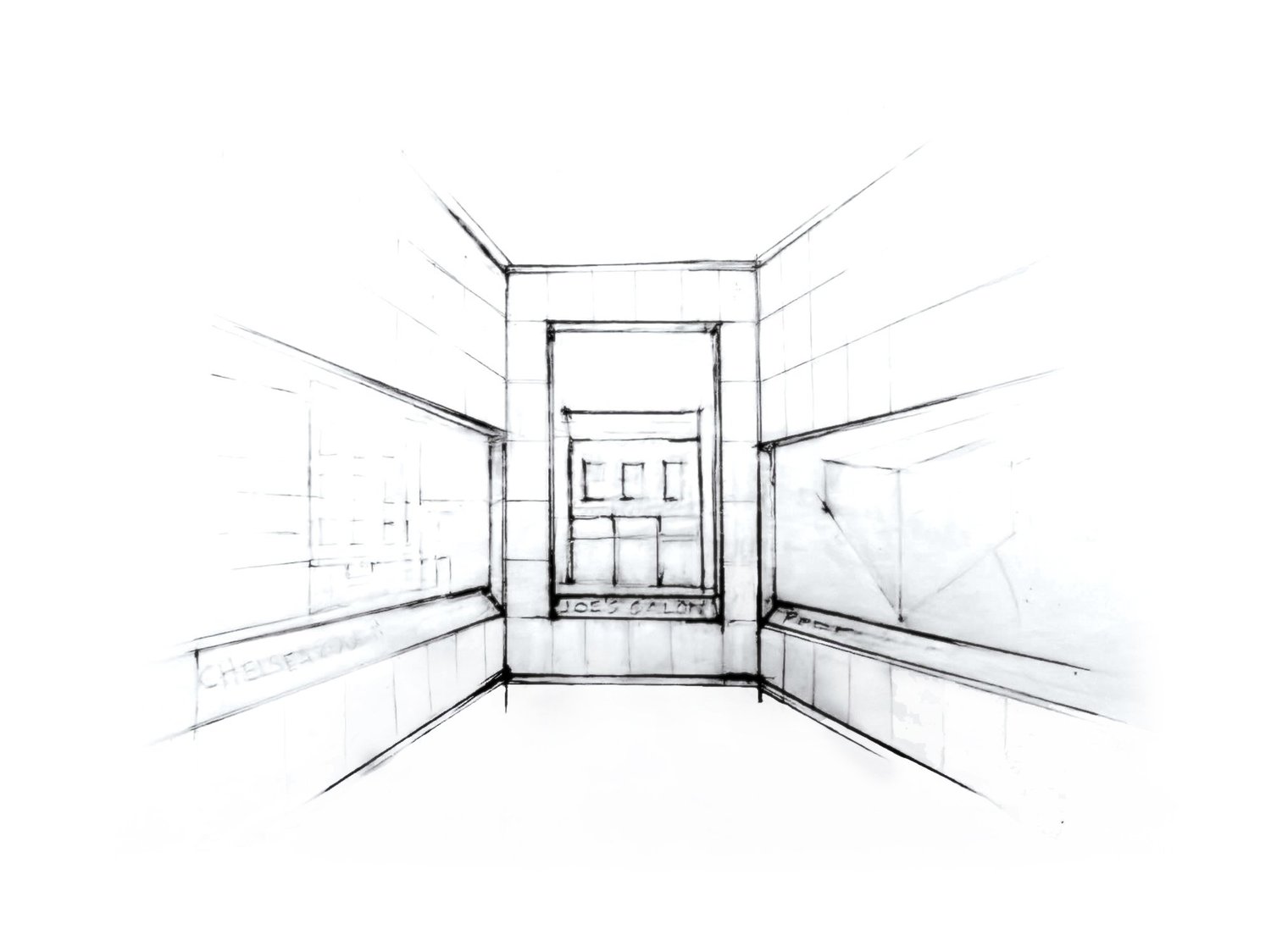
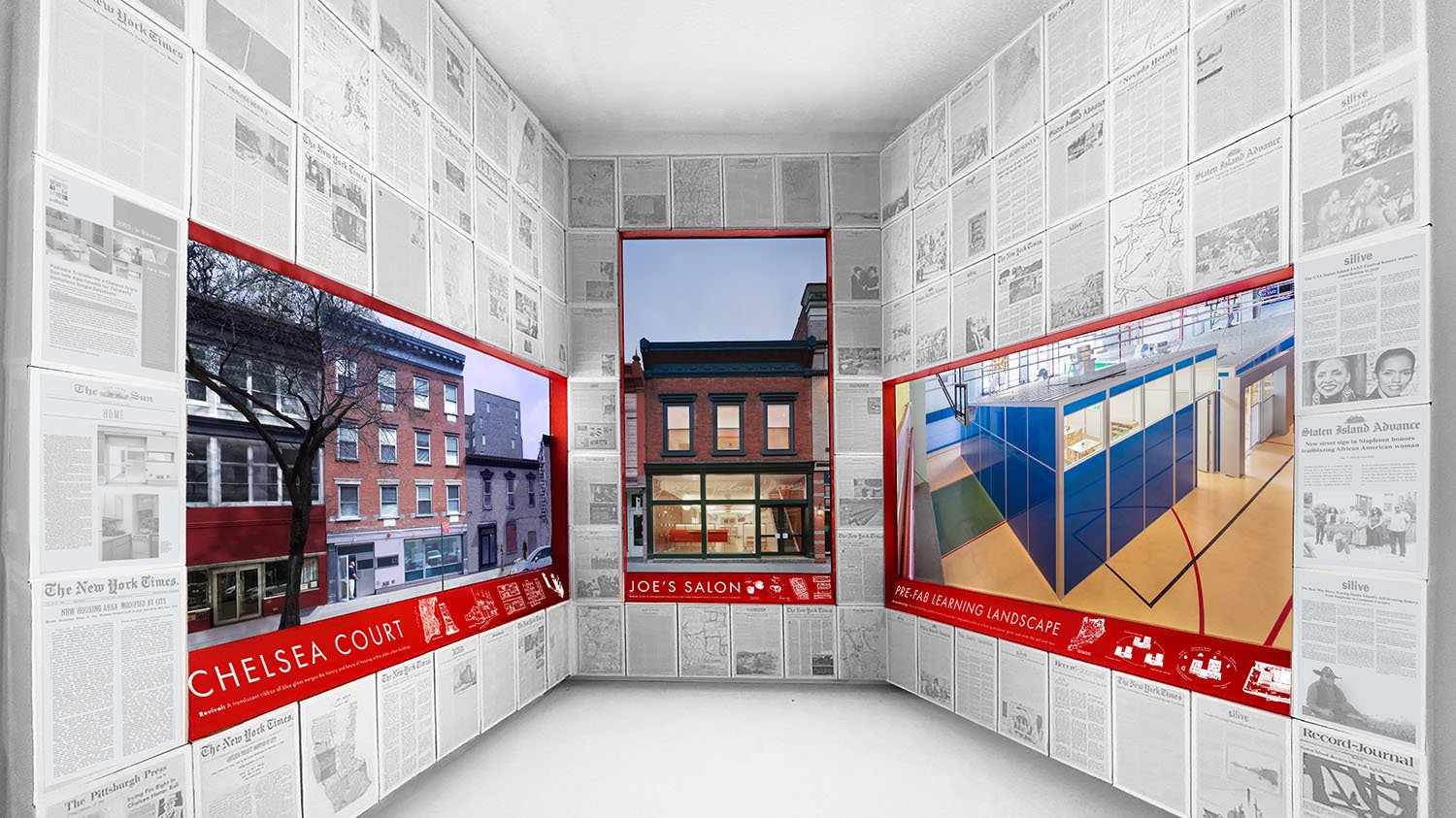
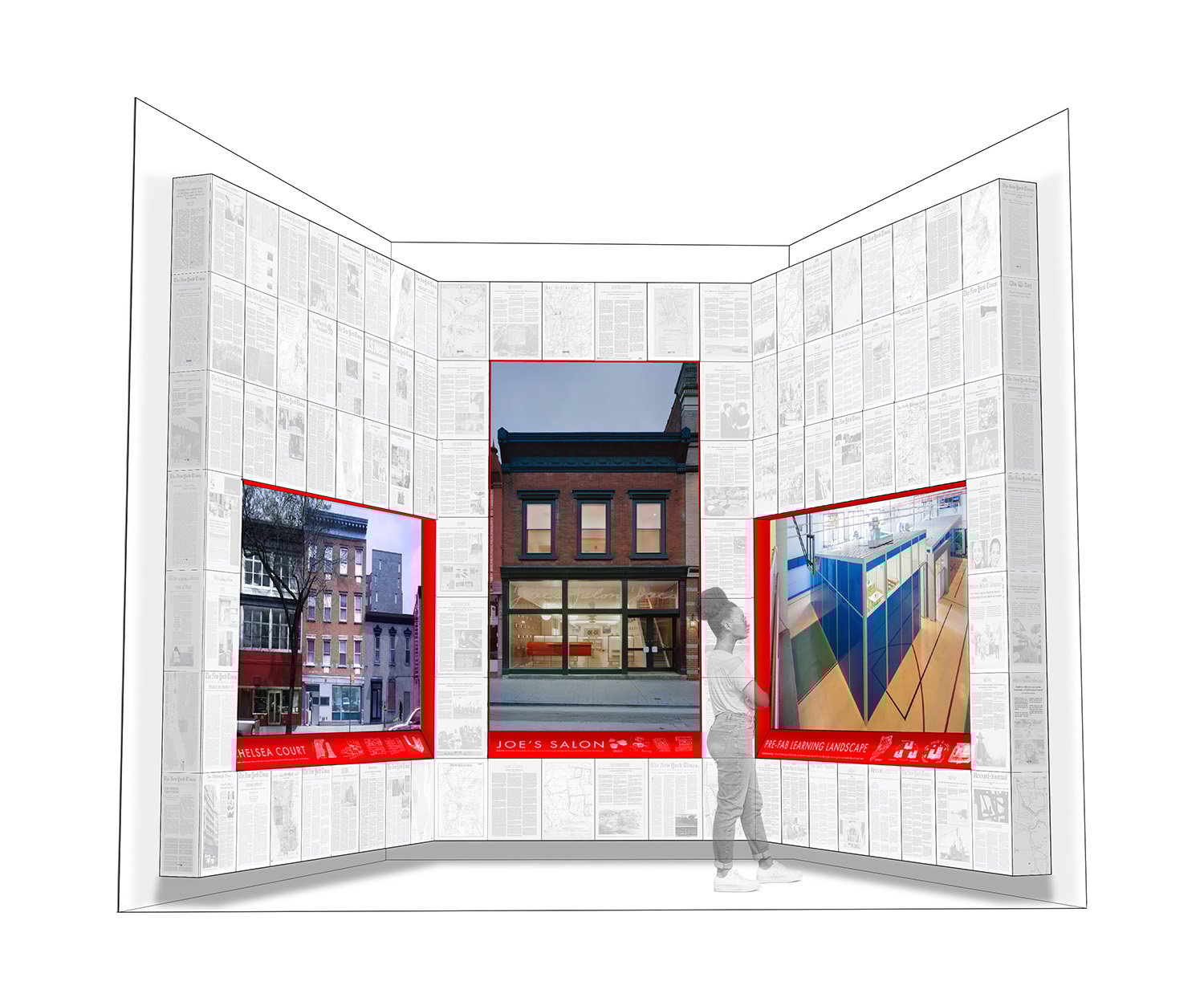
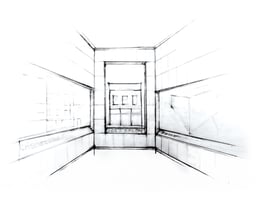
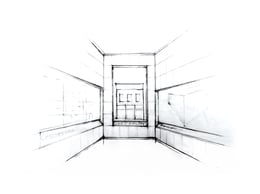
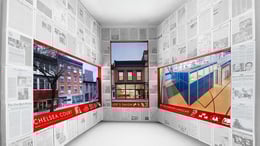
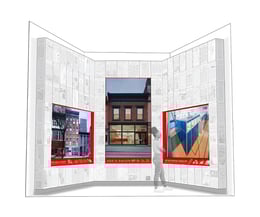
Having designed multiple built renovations over the years, we asked the question what makes a renovation a rebirth as opposed to a mere adaptive re-use? Our installation speaks to how we can integrate native and community history with future-oriented design to create low carbon renovations that amplify their former selves. The exhibited renovation projects, each surrounded by its historical and native texts, explore this issue. We seek to address what criteria can be employed in the design of the re-use of older buildings to distinguish their future architectural presence from simply being a construction cleanup.
Votazioni chiuse


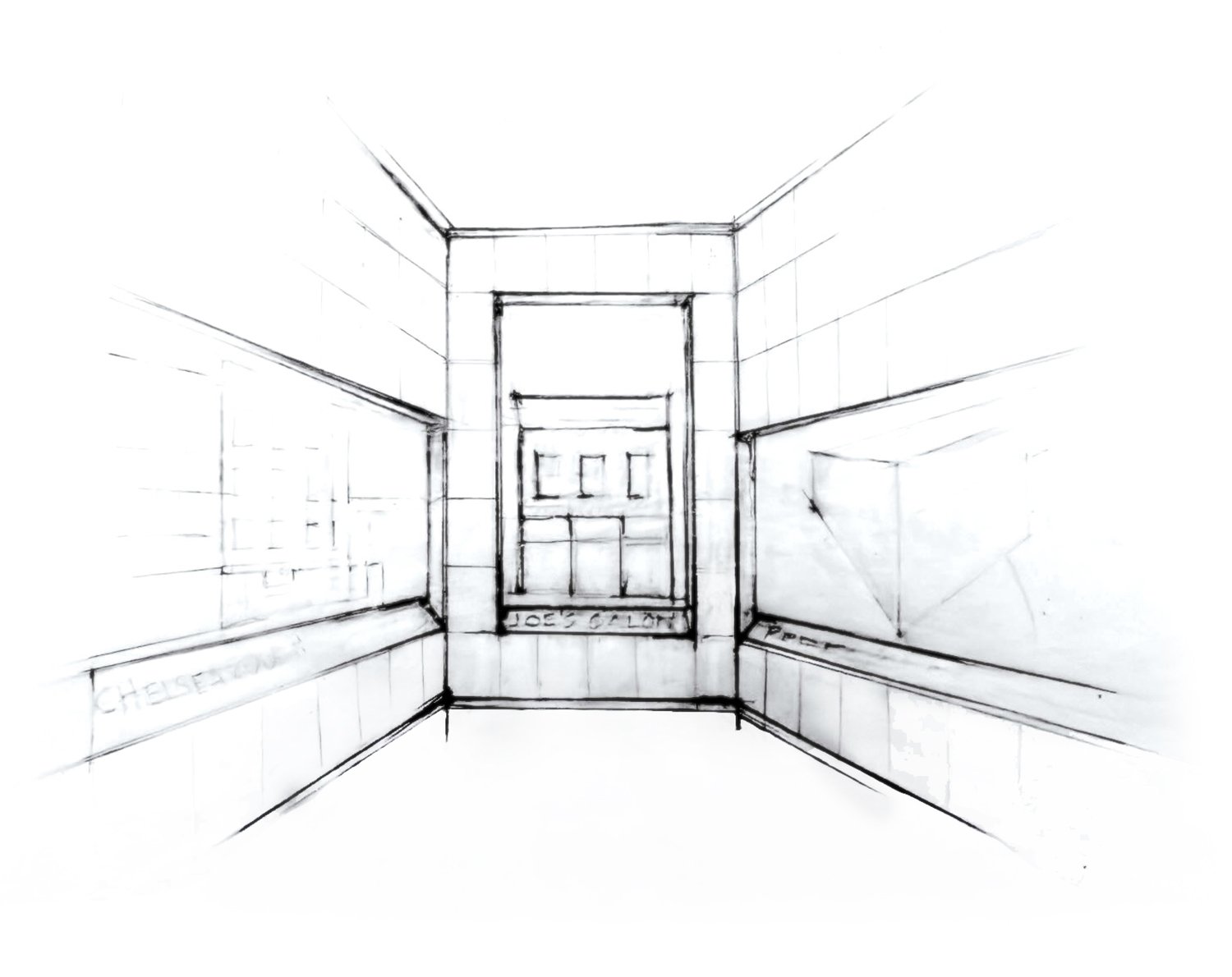
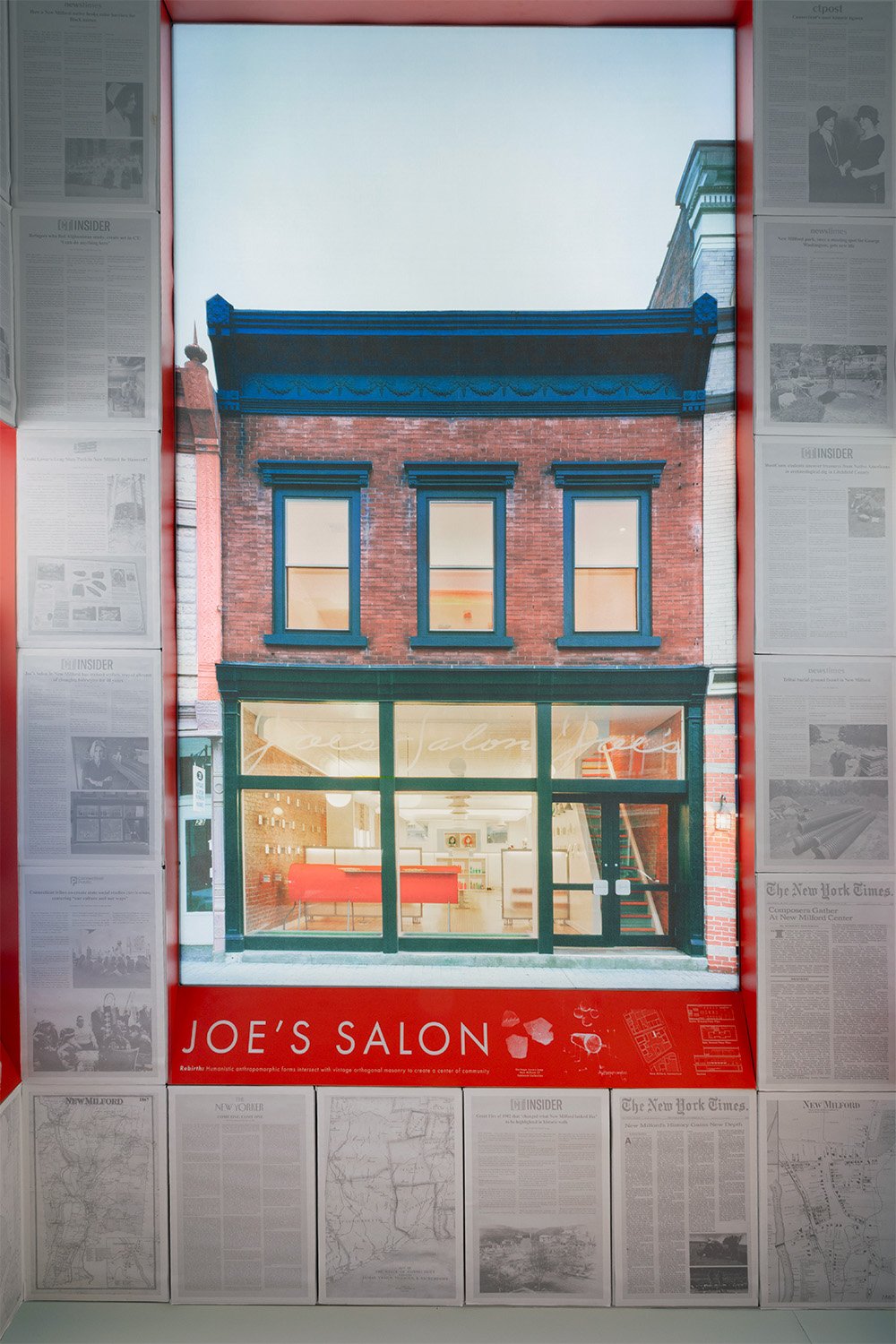
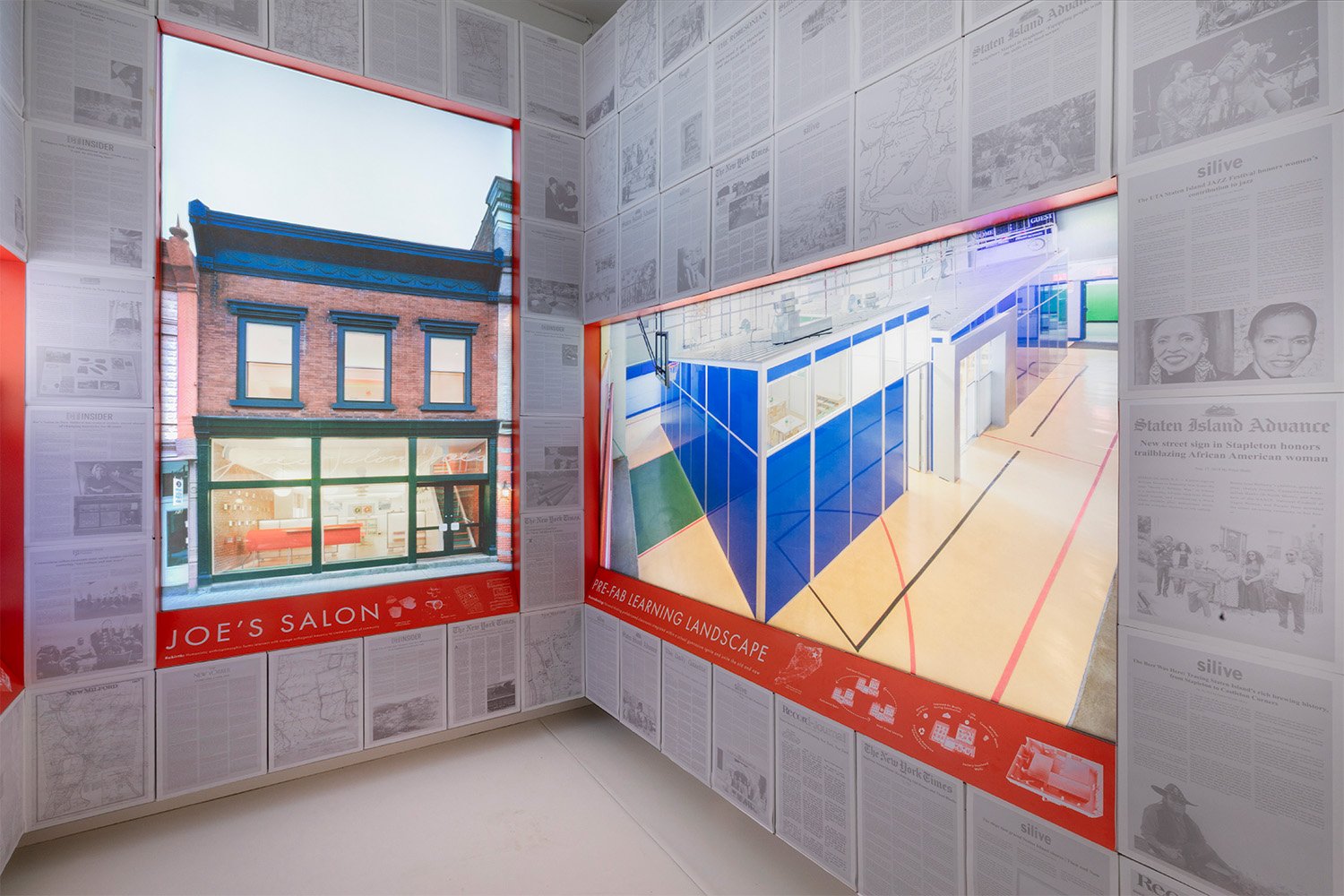
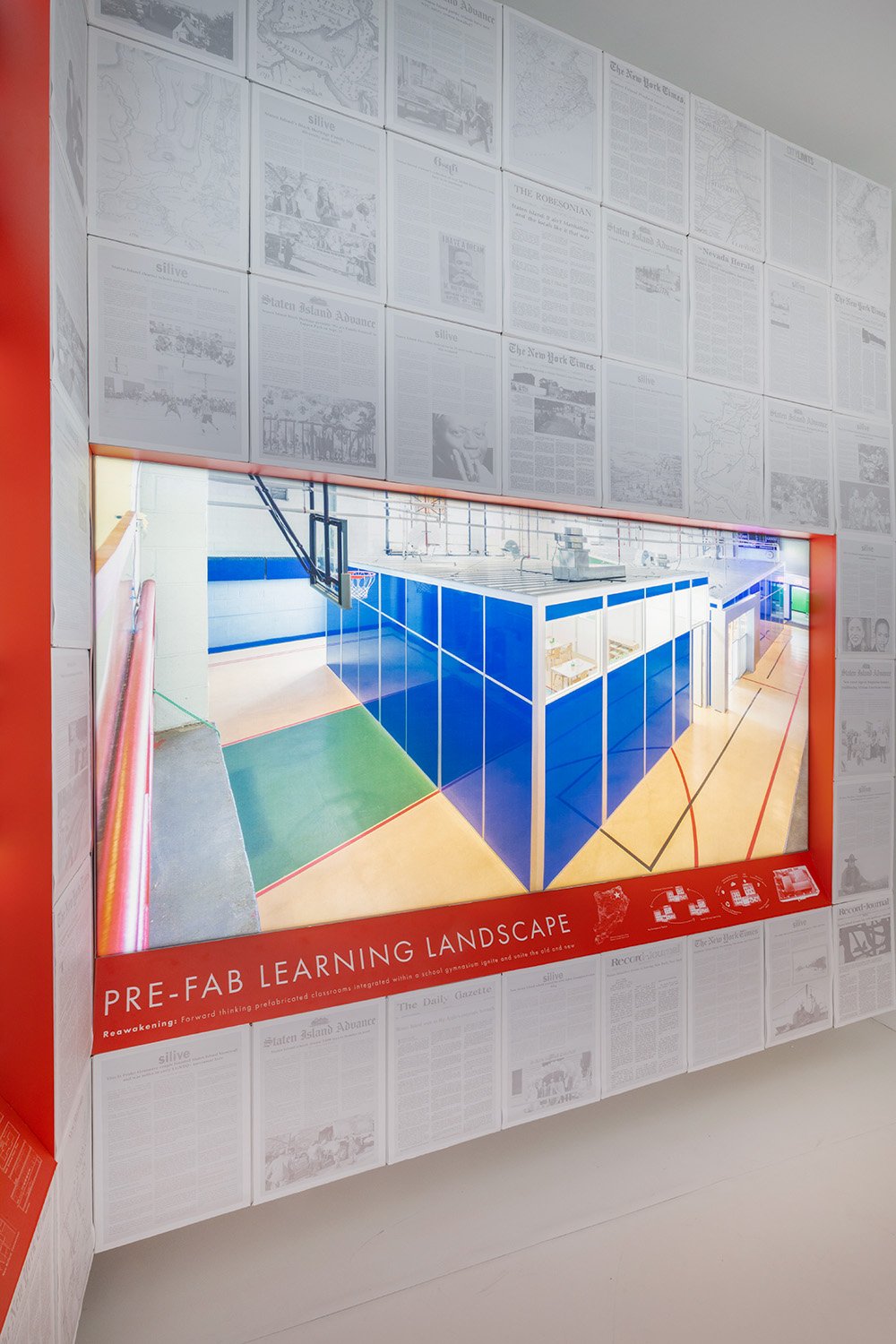
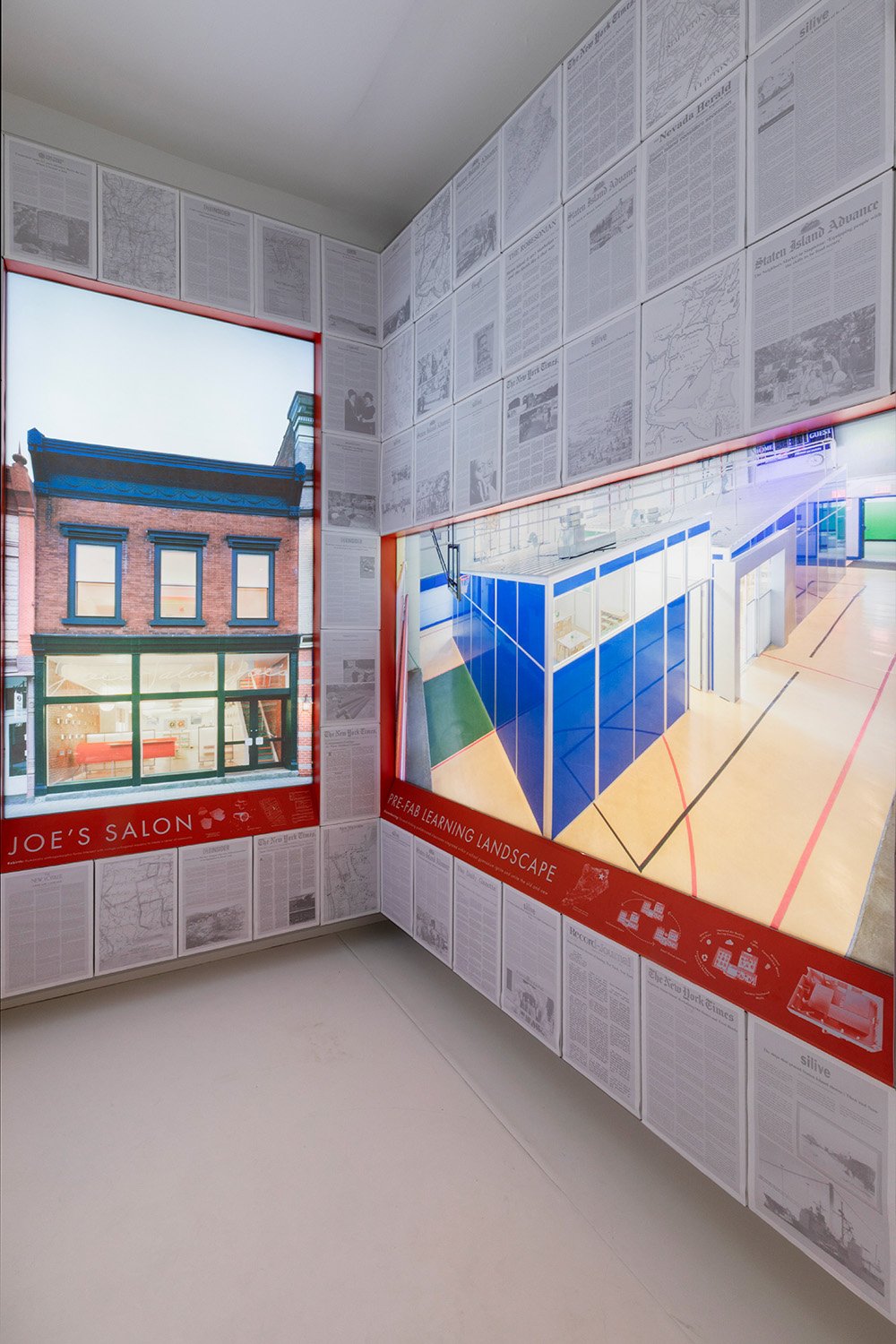
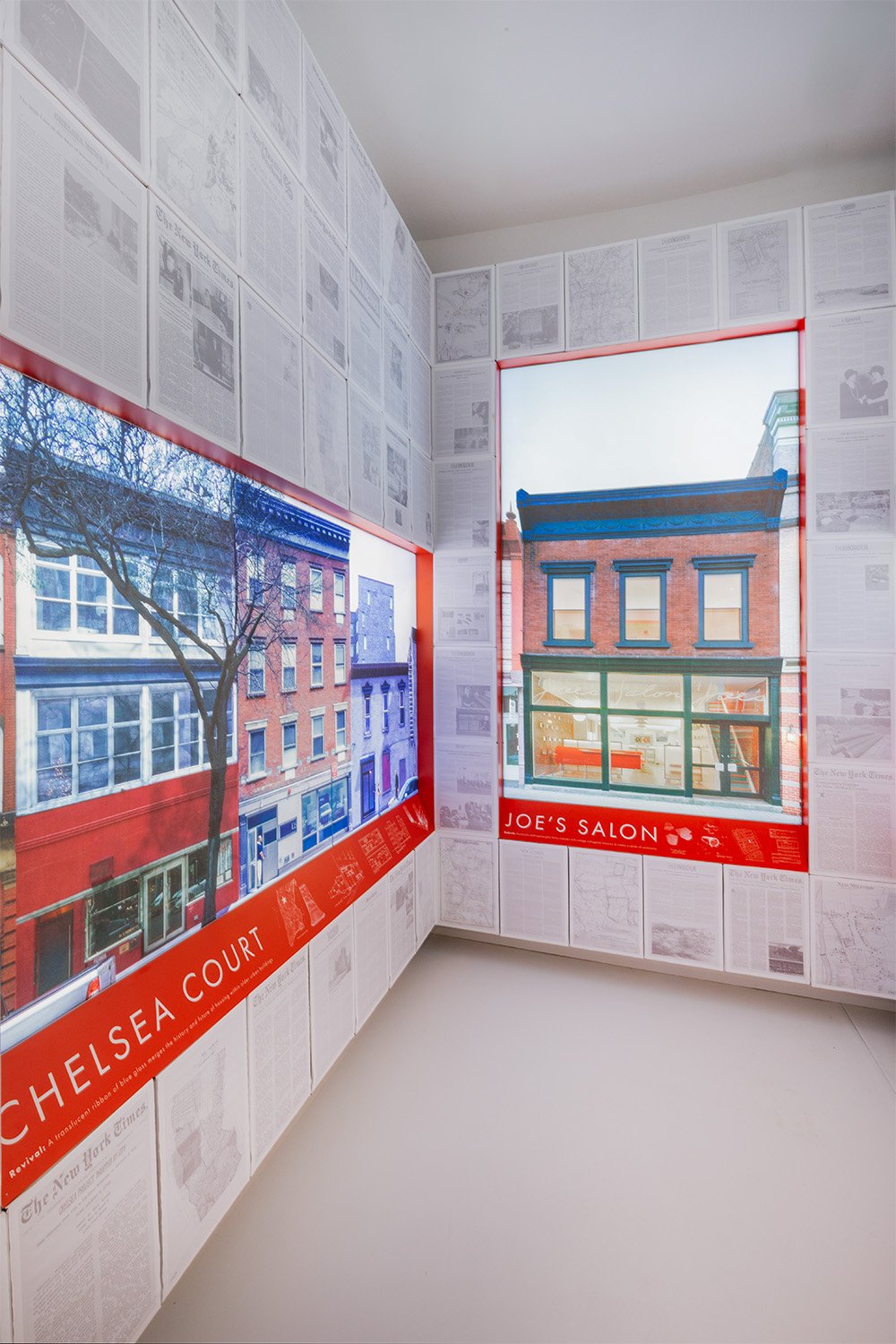
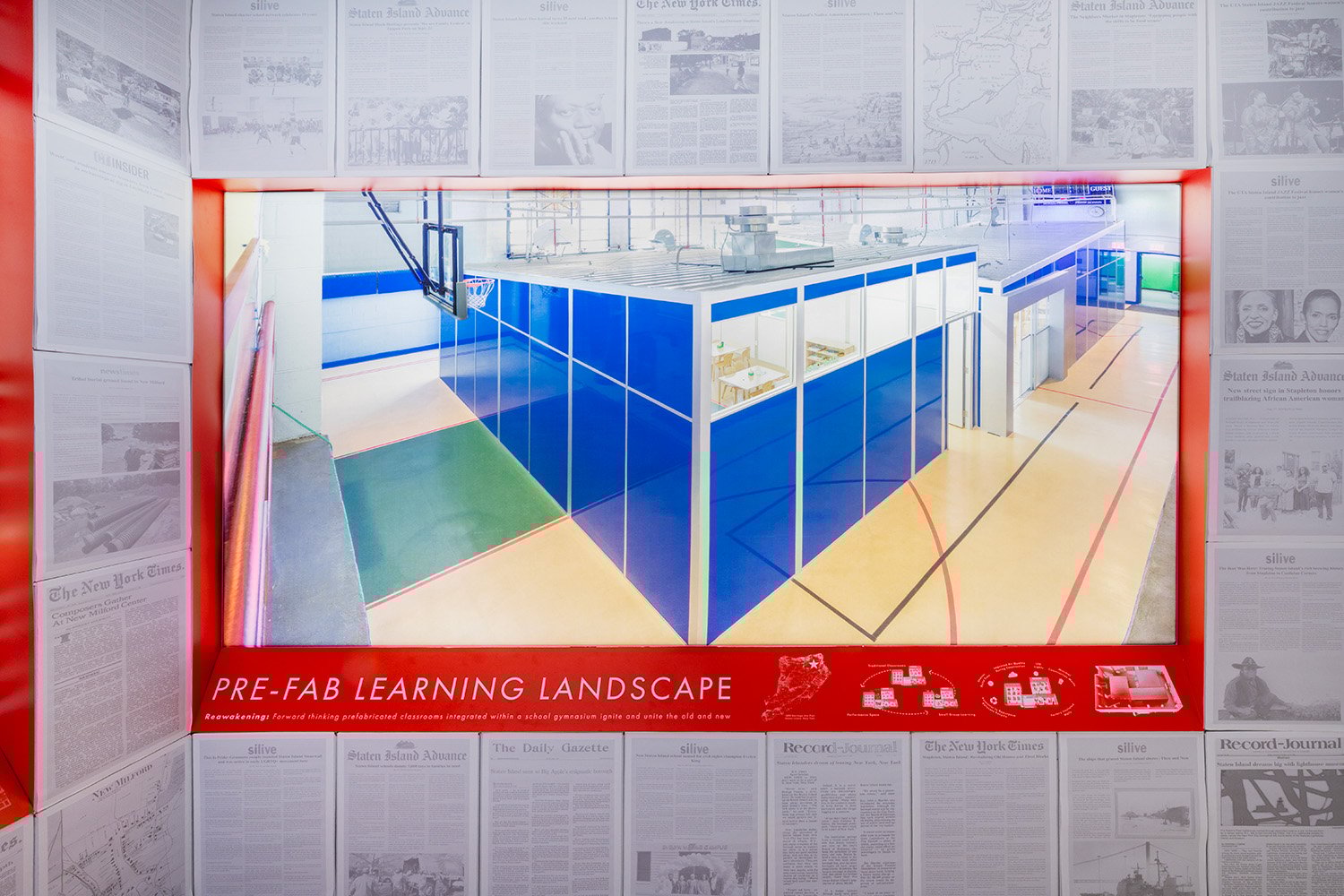
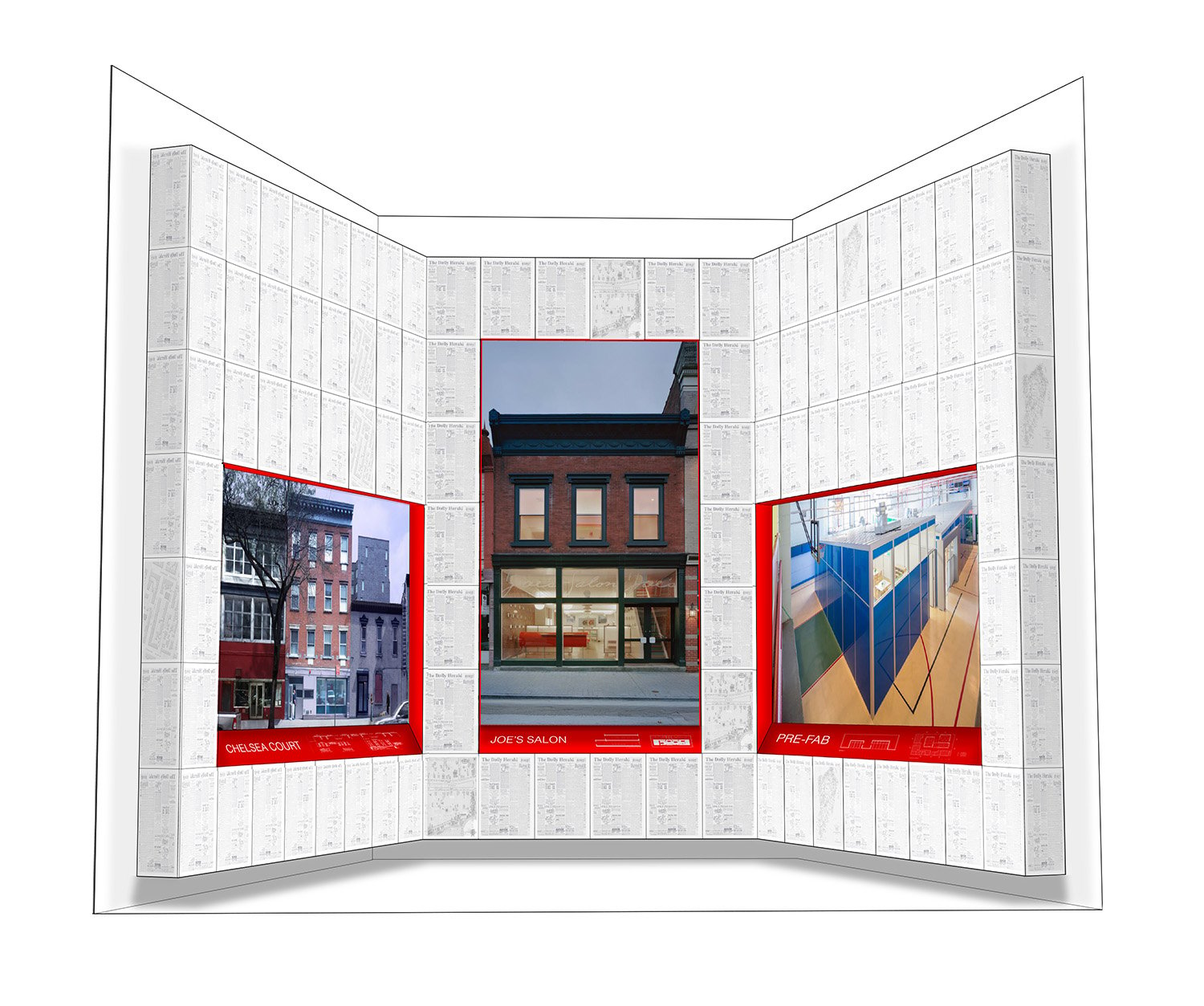
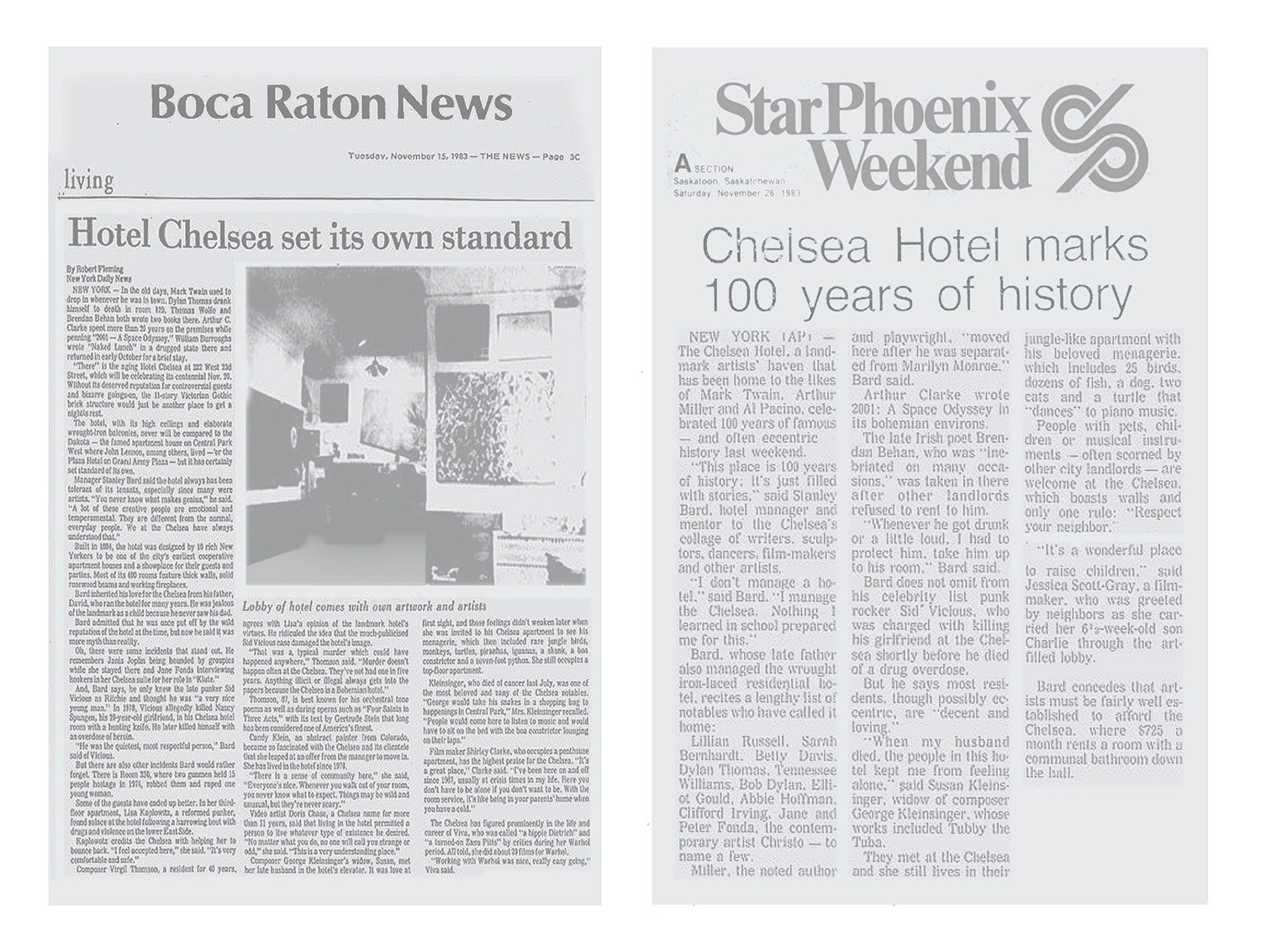
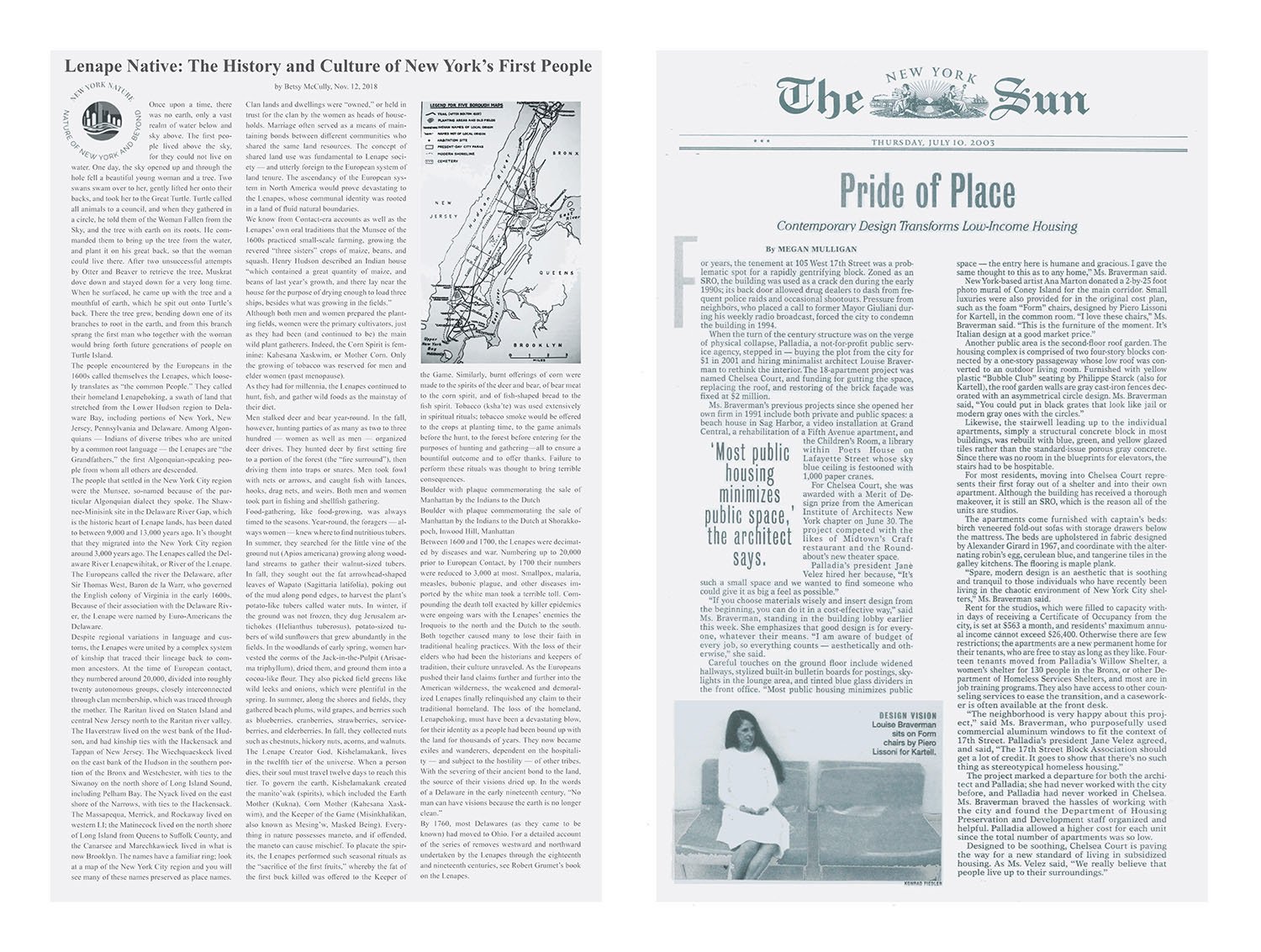
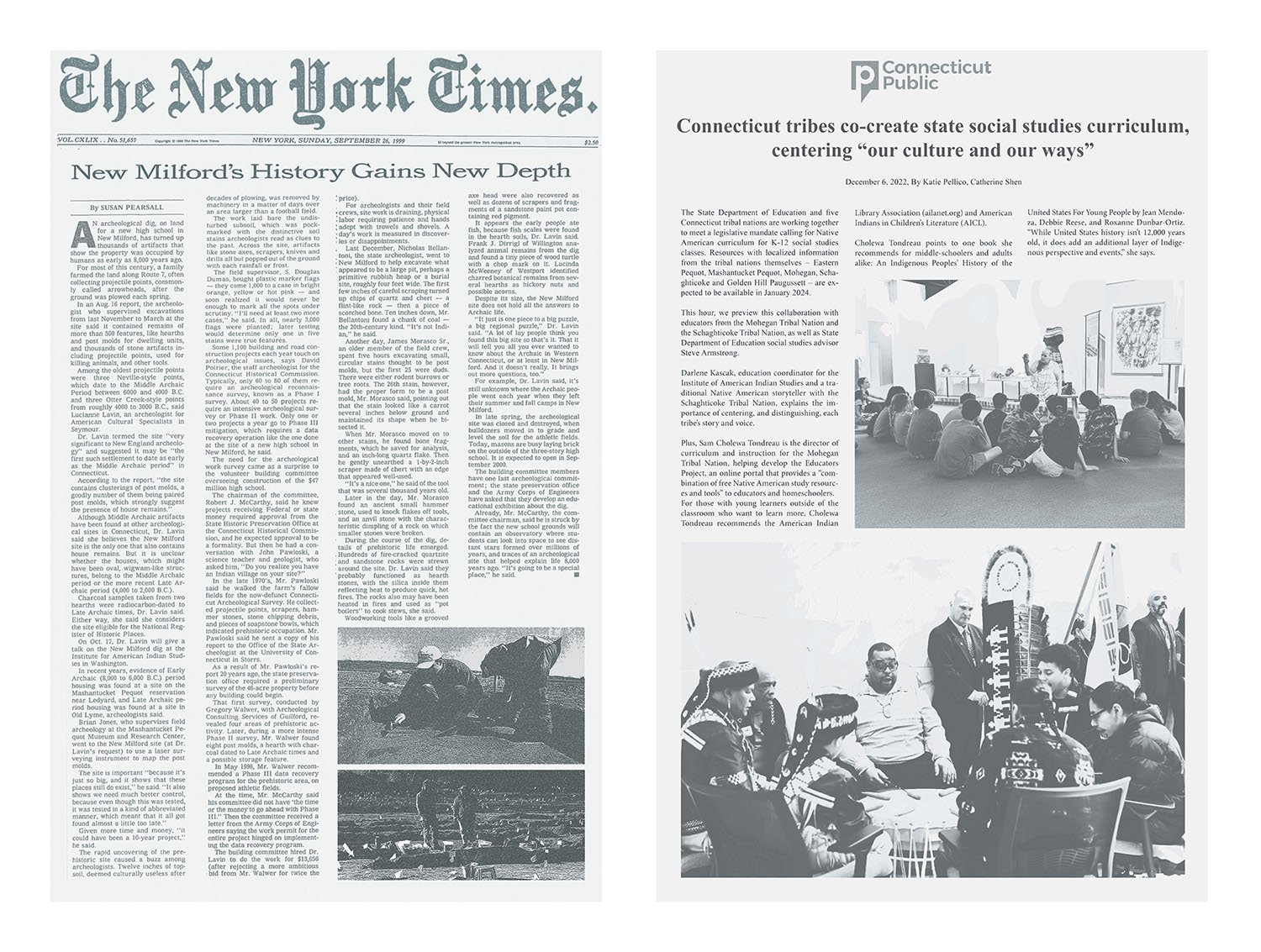
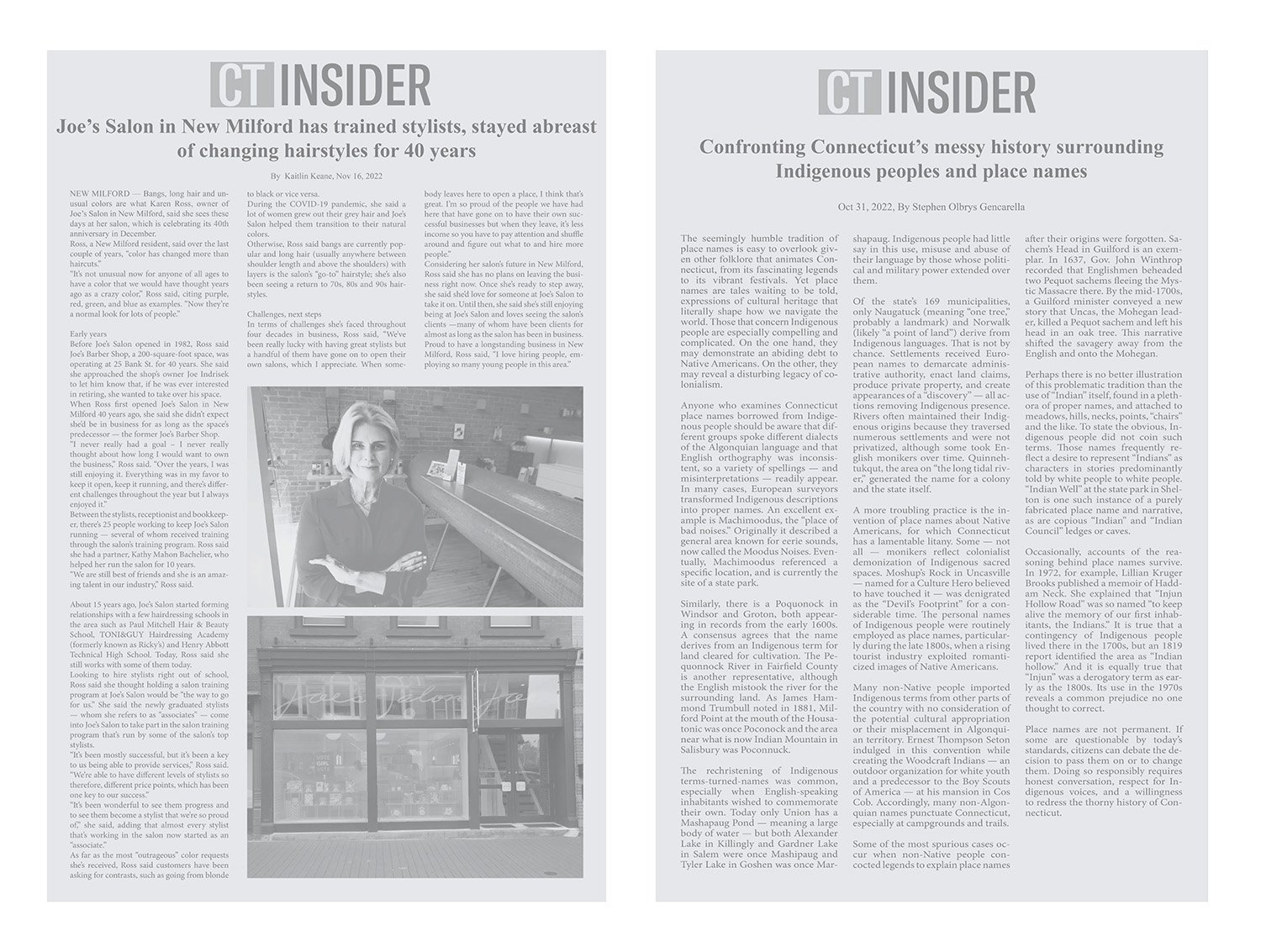
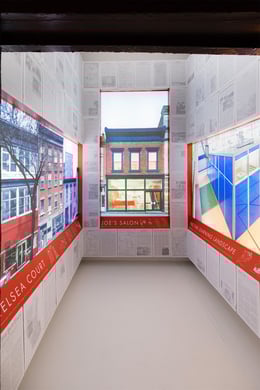
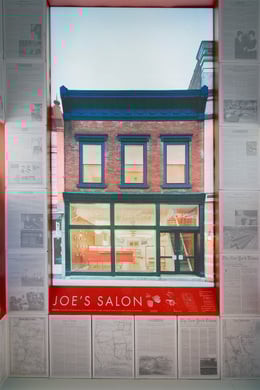
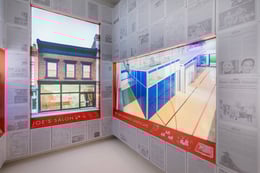
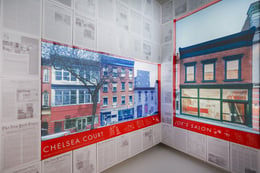
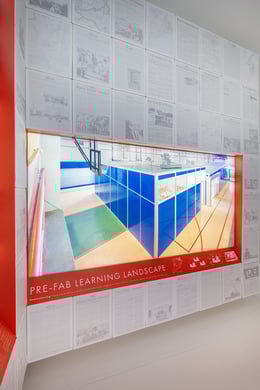
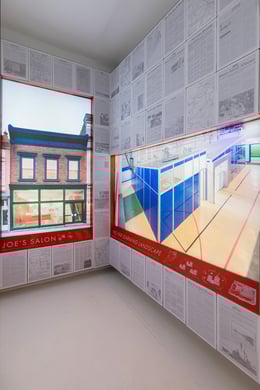
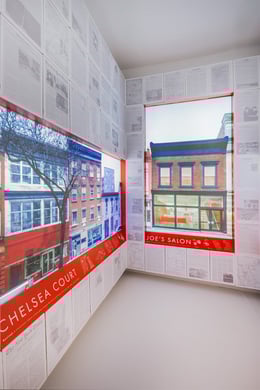
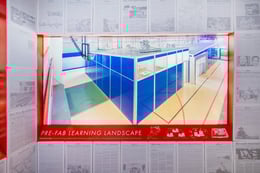
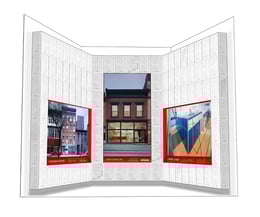
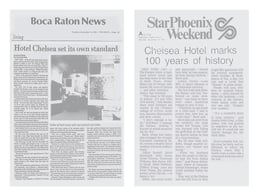
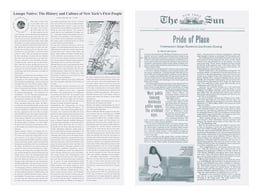
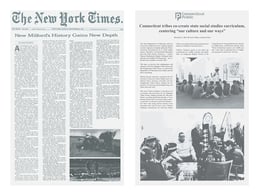
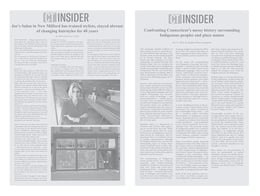
Three built projects on display in our installation all have a meaningful relationship with their individual urban contexts presented in the historic and native informational text on the walls around each project. The text makes references to how Chelsea Court, a Manhattan low-income housing project, indirectly speaks to its nearby neighbor, a historic artist housing hotel. It also discusses how the large glass window of Joe's Salon's traditional Connecticut facade welcomes women in the community to come inside. The articles surrounding the Pre-Fab Learning Landscape address the compatible multicultural neighborhood where the church temporarily hosts the modular classrooms for a predominantly low-income charter school in Staten Island, New York.

Renovation=Renaissance both enlarges and subscribes to the basic premise of Repair, Regenerate and Reuse articulated by the curators of the Time Space Existence exhibitiion at the 2025 Venice Biennale. It's fundamental premise is based on the inherent value of renovation as a key component of the foundation of the low-carbon circular economy. Aspects of the individual projects on display in the installation take this notion a step further. The Pre-Fab Learning Landscape, for example, employs modular construction to allow for uncomplicated change in the construction of classrooms over time .

Renovation=Renaissance speaks to the pivotal question of what constitutes a meaningful architectural renewal. How do we intertwine built form from yesterday and today to create an innovative integral whole that simultaneously honors the past and focuses on the future. We tackled this question in a series of architectural renovations that not only pursued environmental durability but also created aesthetic collaborations between old and new. The display of three projects, Chelsea Court, Joe’s Salon and the Prefab Learning Landscape, each embedded in archives of their historic and native contexts, exemplify this approach. The project research augmented the field conditions of the renovated built forms, amplifying the approach to systematically intertwine low-carbon, future-oriented design strategies into existing structures. More than mere adaptive re-use, the old and new elements were synergistically embedded within each other, championing our circular economy while enabling the regrowth of a singular architectural form. Together, they became one essential whole, ultimately establishing a renovated building as a full renaissance of its former structure.

Time Space Existence 2025: Repair, Regenerate, Reuse The 2025 group exhibition invites international architects, designers, artists, academics, and researchers to engage with the pivotal themes of Repair, Regenerate, and Reuse.






Practicing locally and globally, Louise Braverman Architect is a highly focused collaborative studio that is committed to designing architecture of art + conscience. Founded as a 100% woman-owned practice, its mission-driven approach has remained consistent over time. The challenge to design impactful projects that merge aesthetic excellence, reduce carbon emissions and celebrate civic inclusion drives all work. Recent built work that speaks to distinct communities include Centro de Artes Nadir Afonso, an art museum in Portugal that embraces public participation with art, the Derfner Museum, an art museum in New York that facilitates multi-generational engagement through amplified disability design and Village Health Works Staff Housing, a net-zero dormitory for medical workers on an off-the-grid site in post-genocide Burundi, Africa. The range and depth of the work of the firm reflect its core belief in the power of architecture to positively affect the way in which we live.
https://louisebravermanarch.co...