Accedi
Utenti registrati

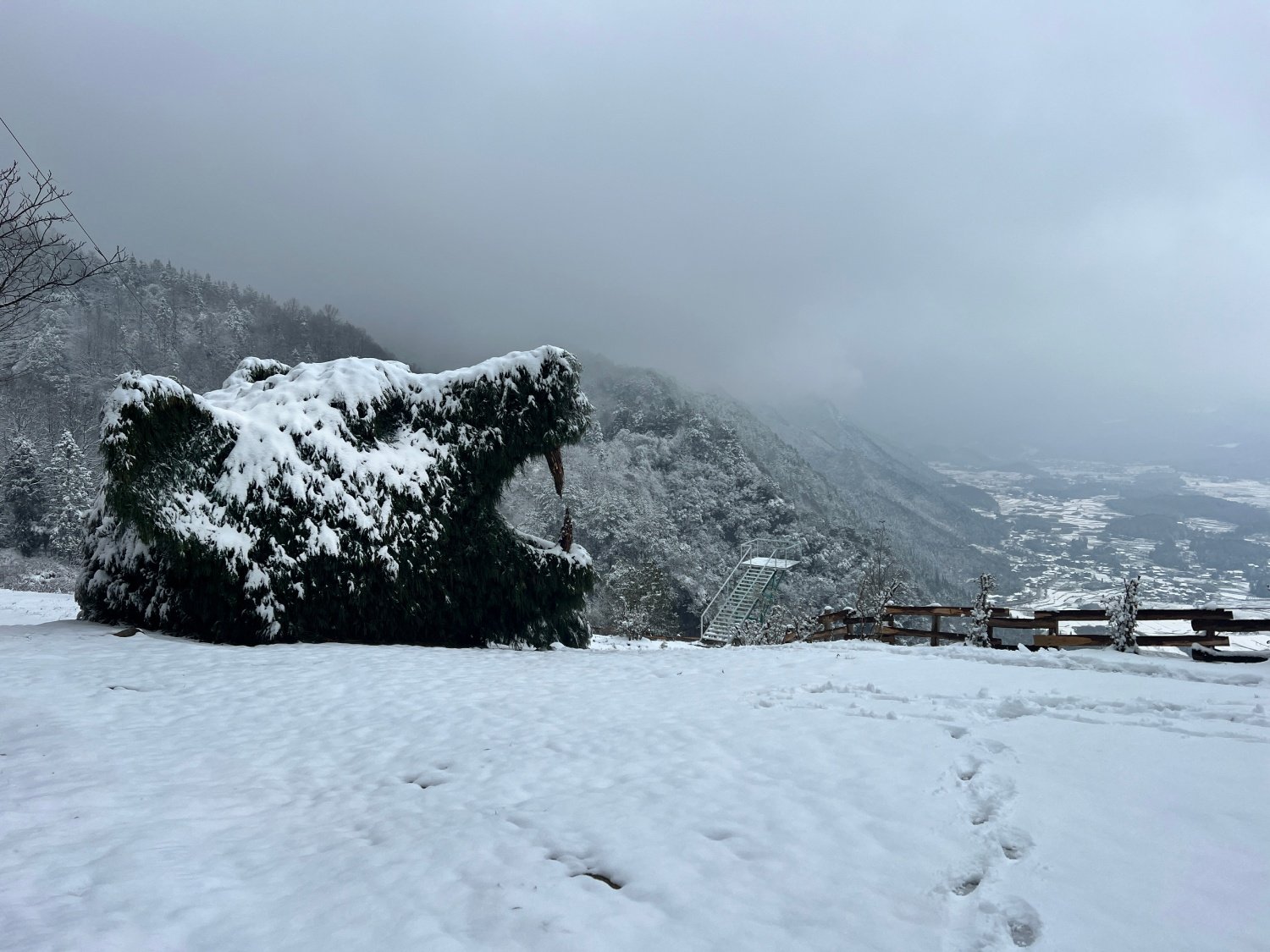
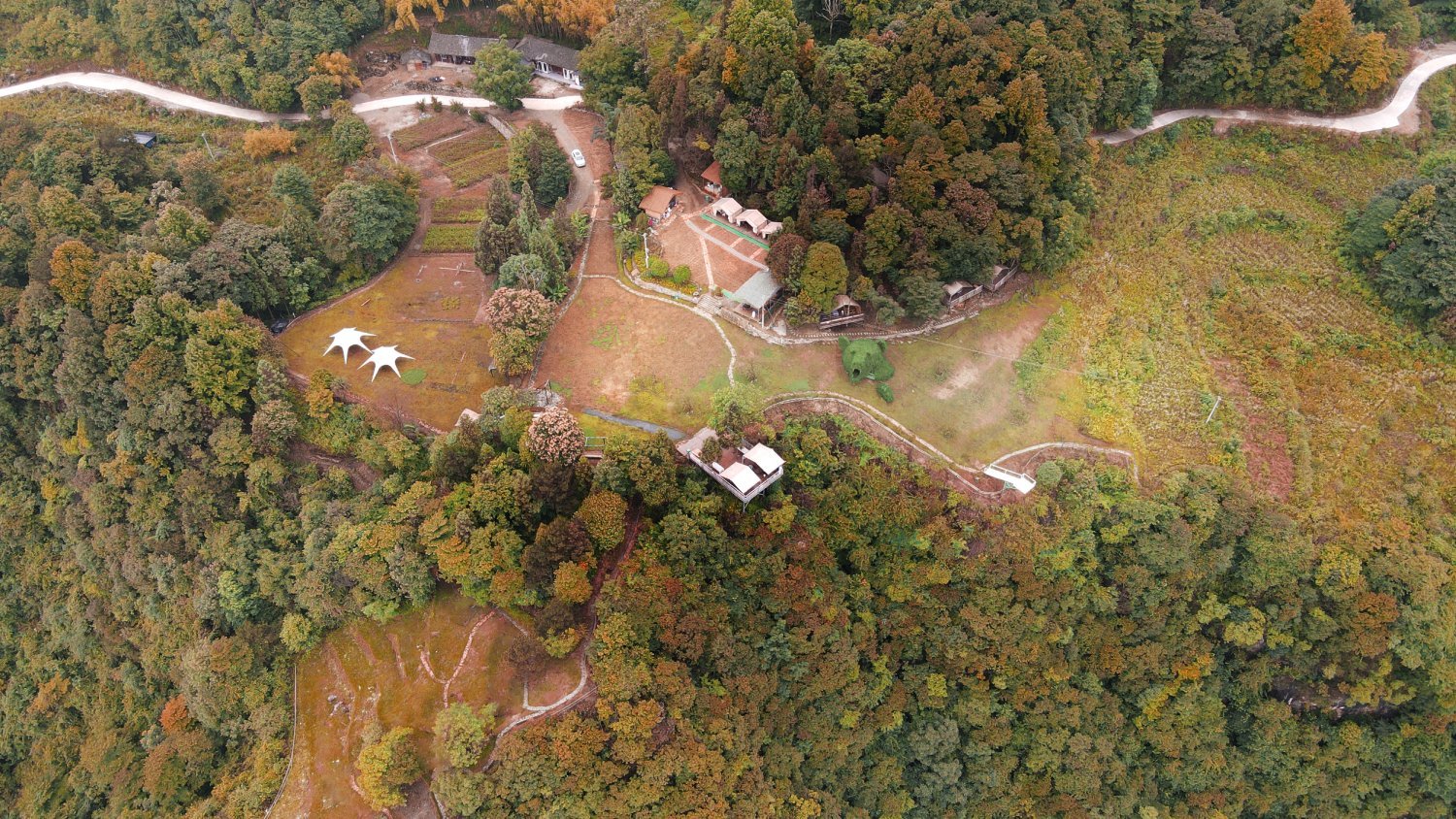
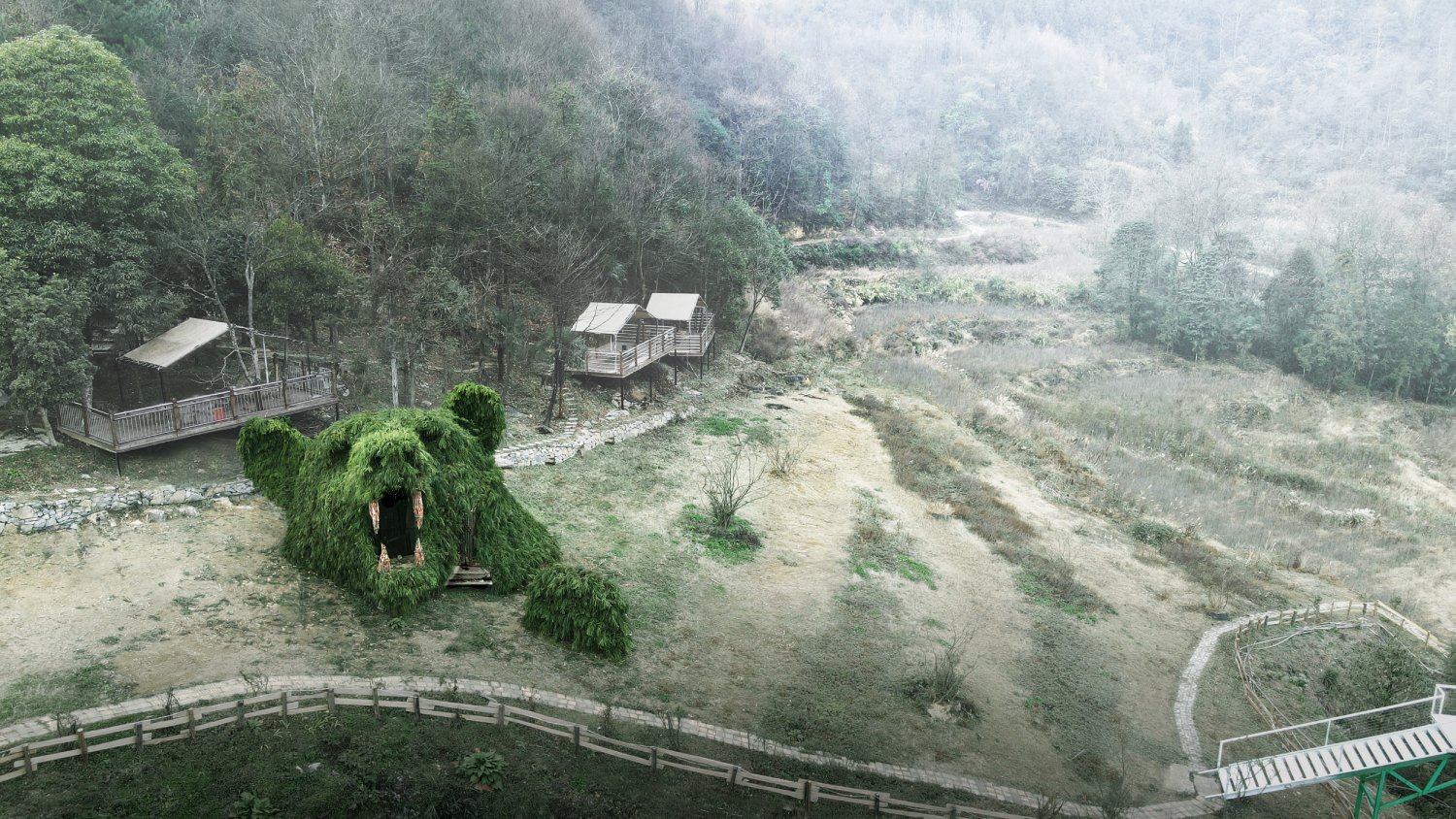
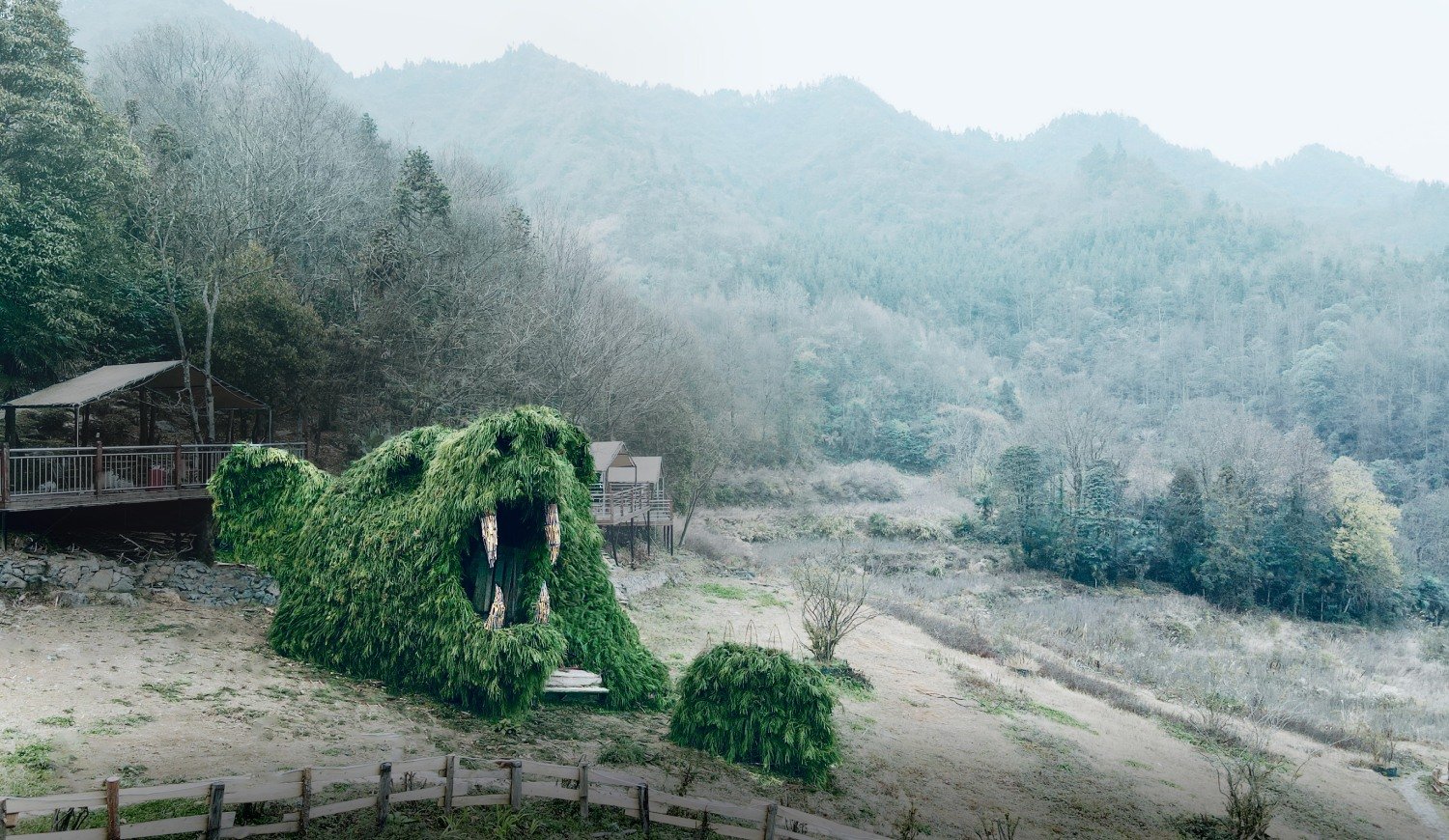
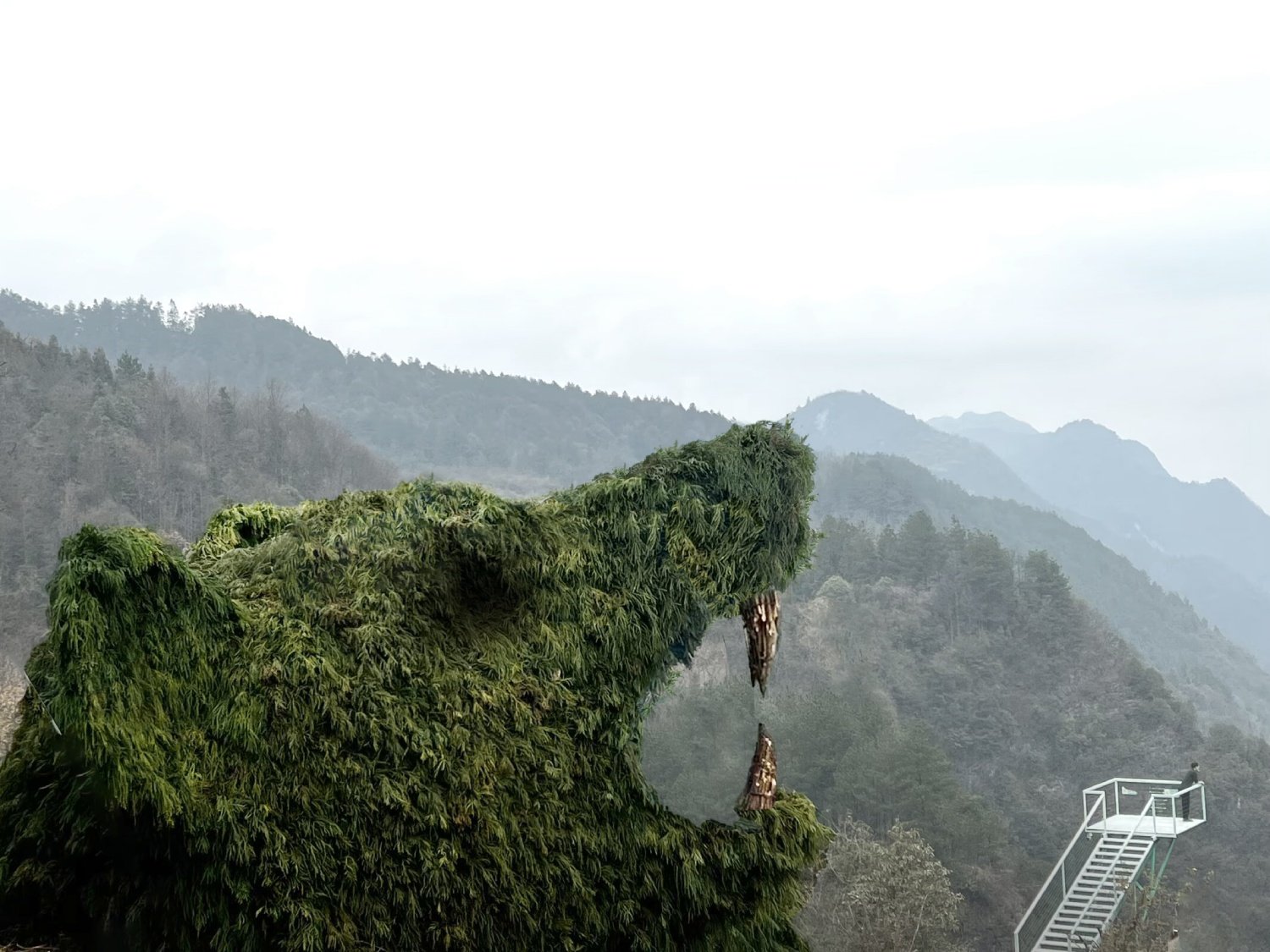
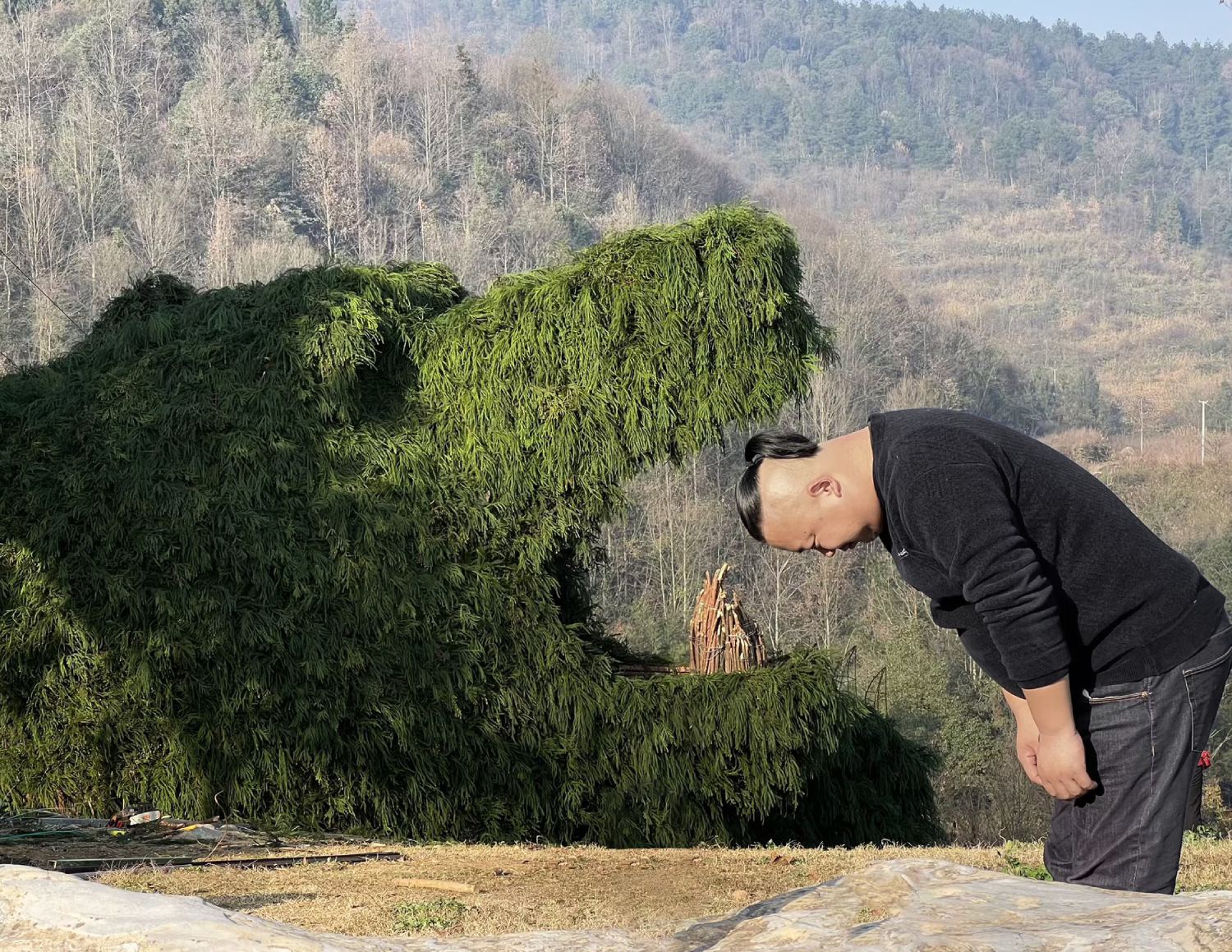
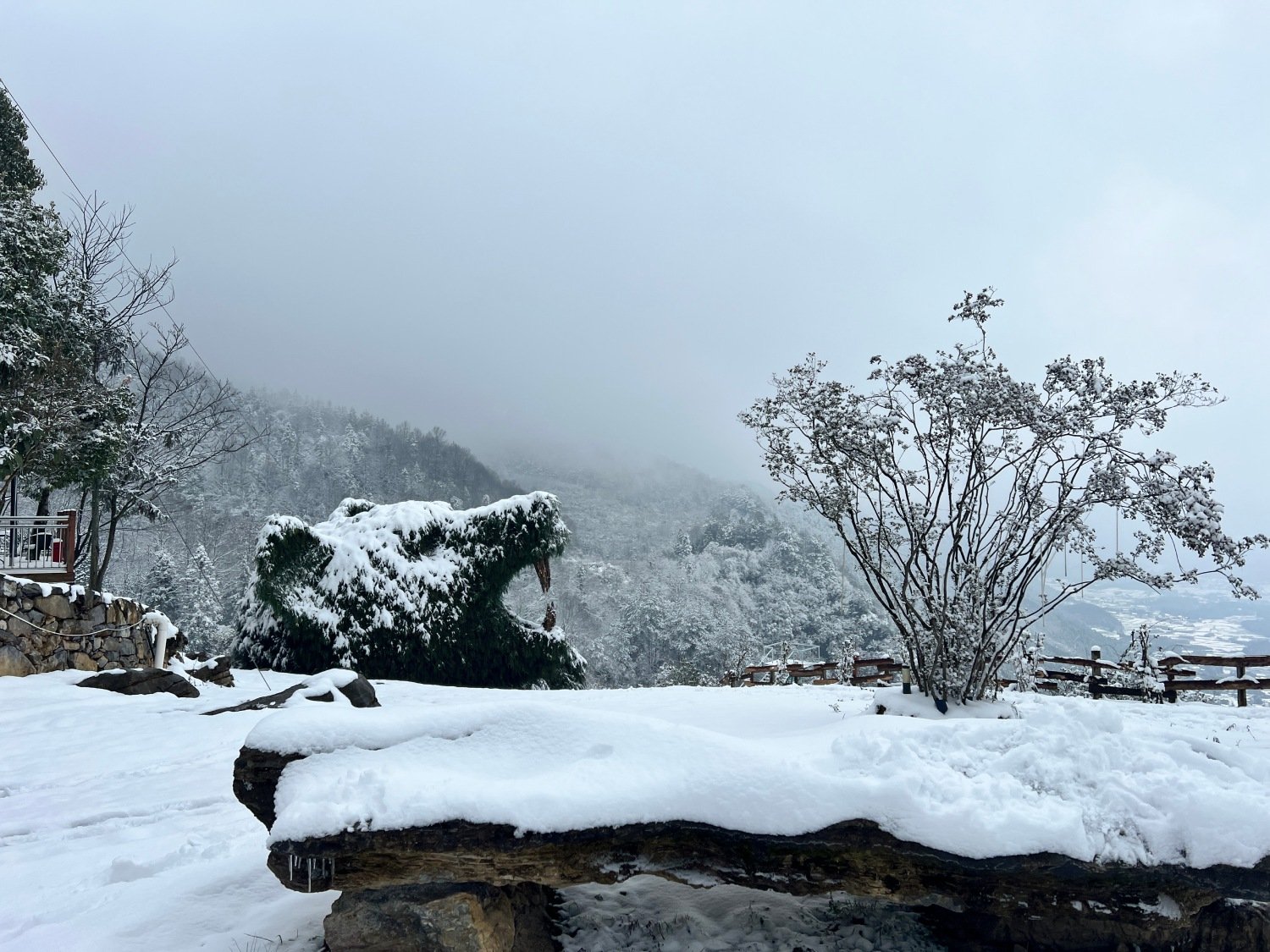
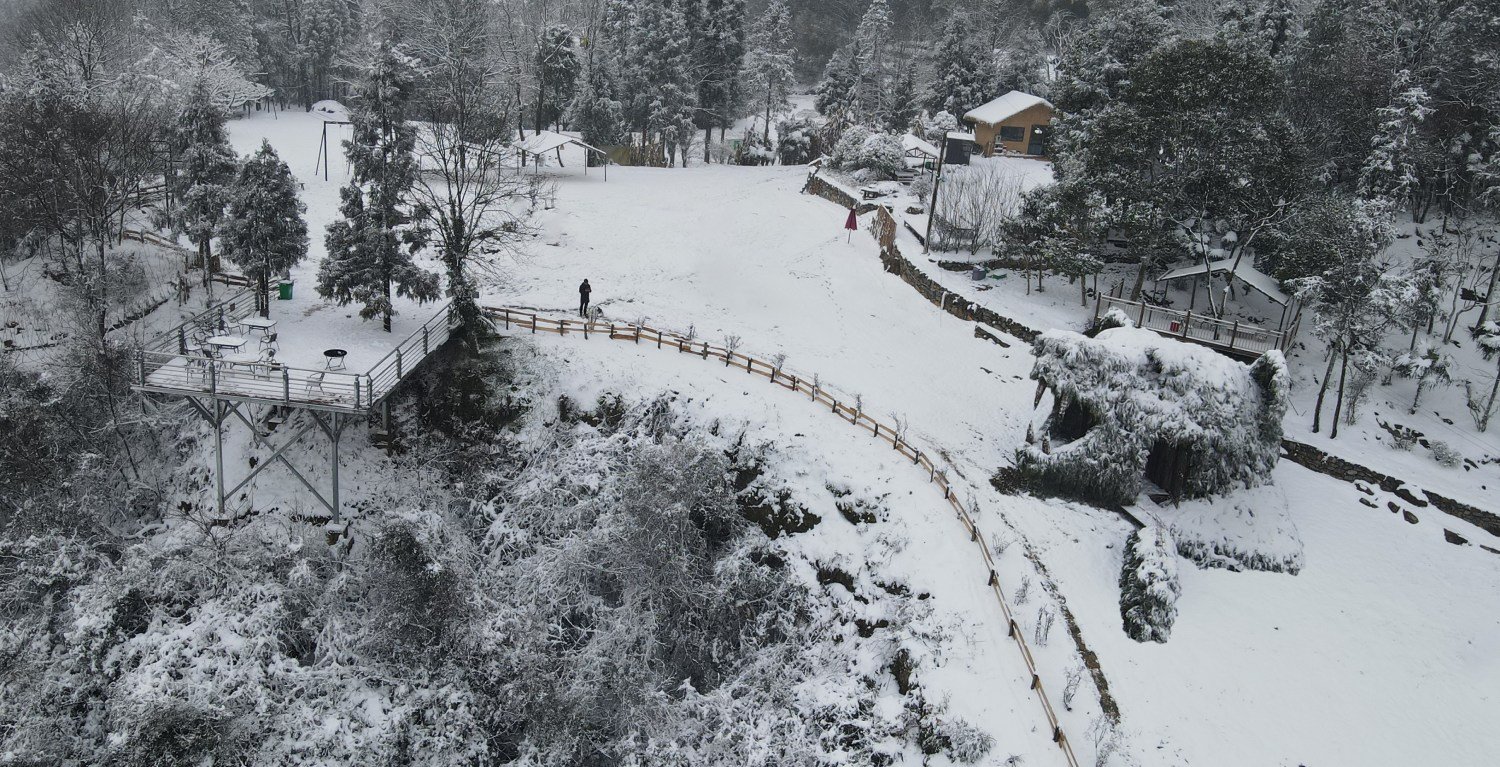
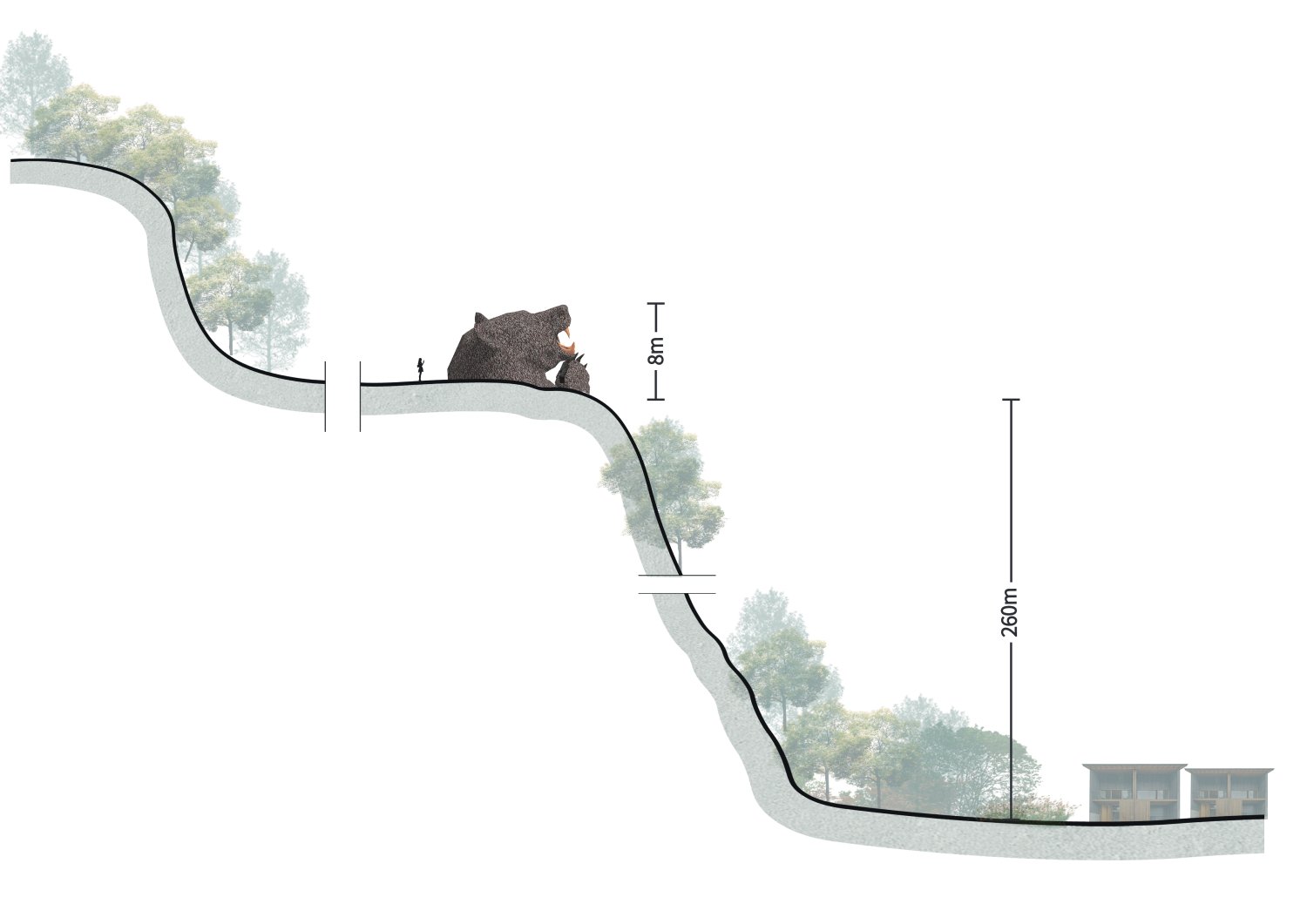
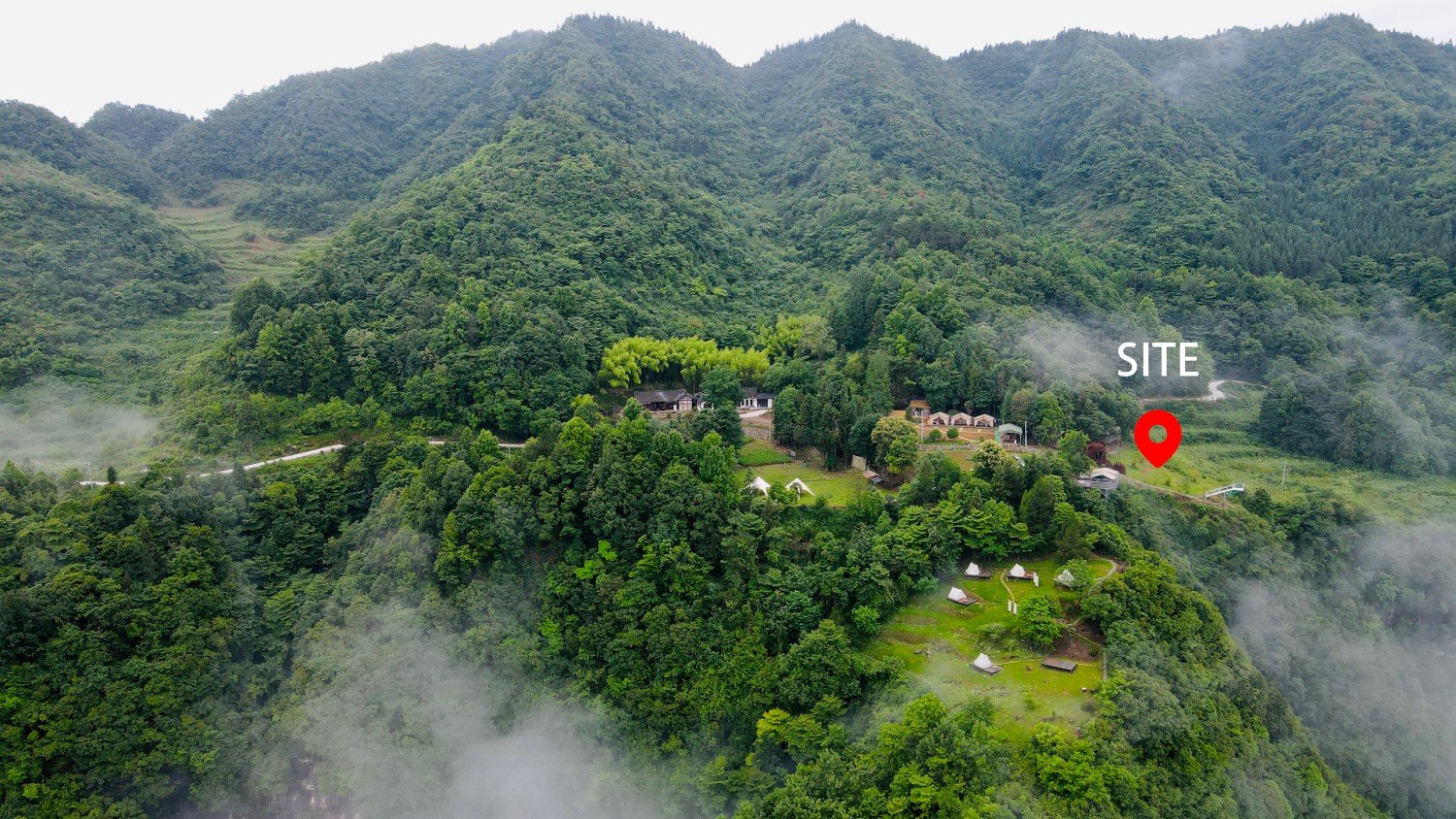
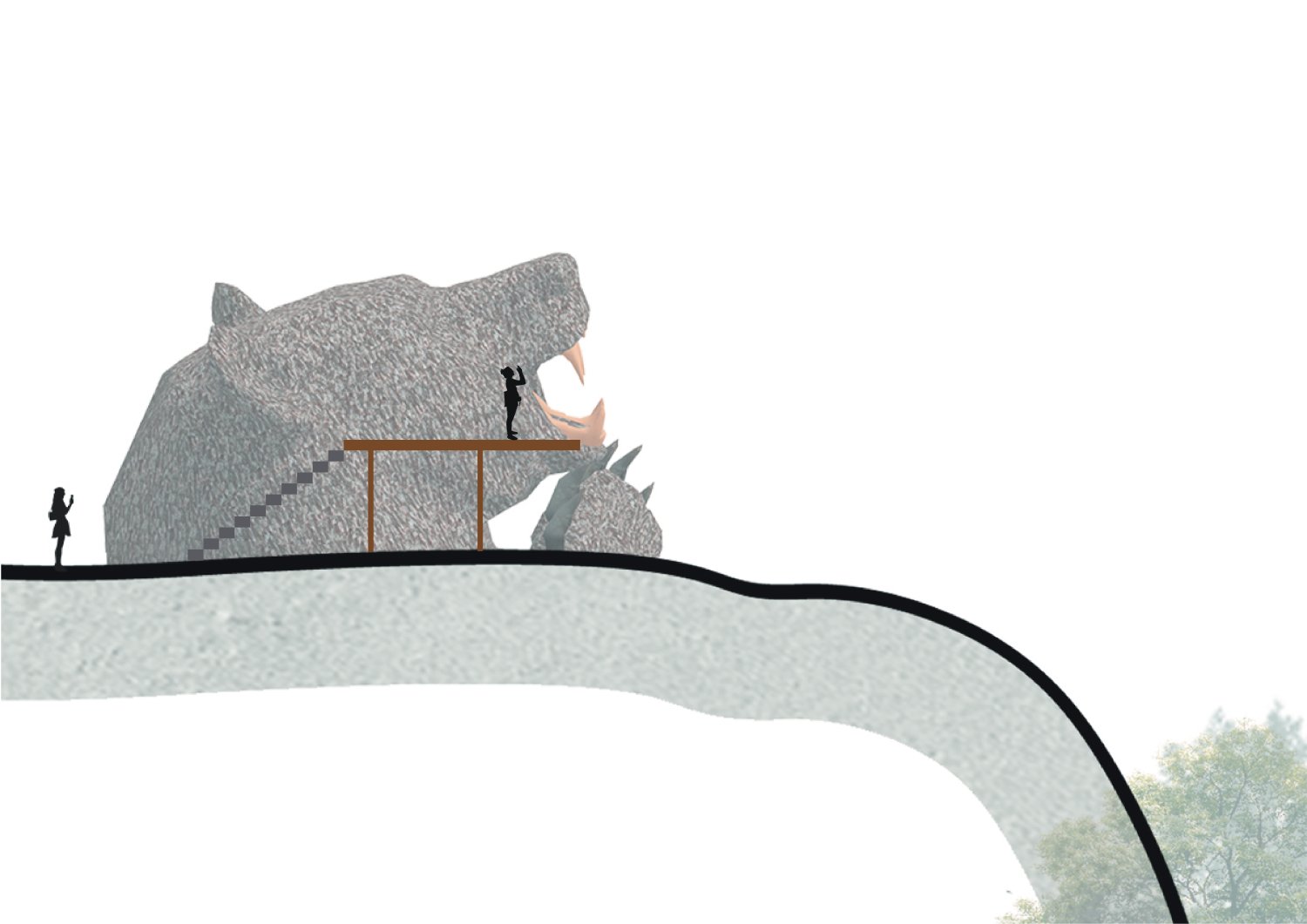
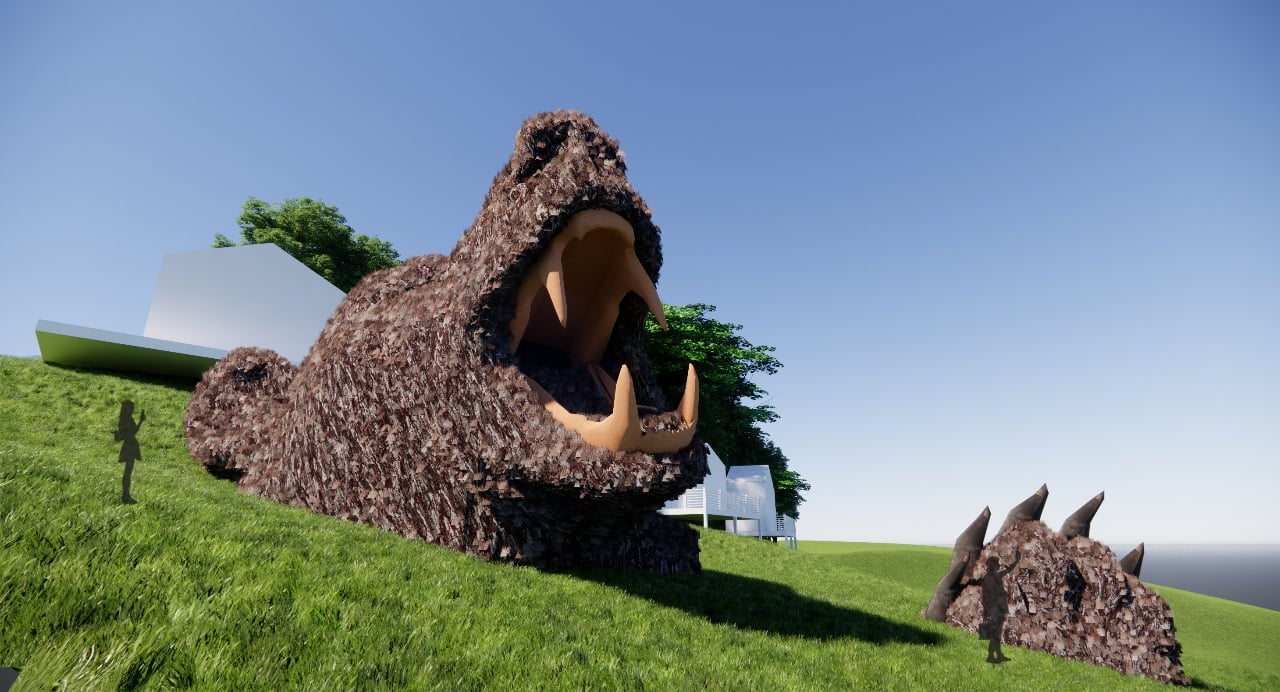
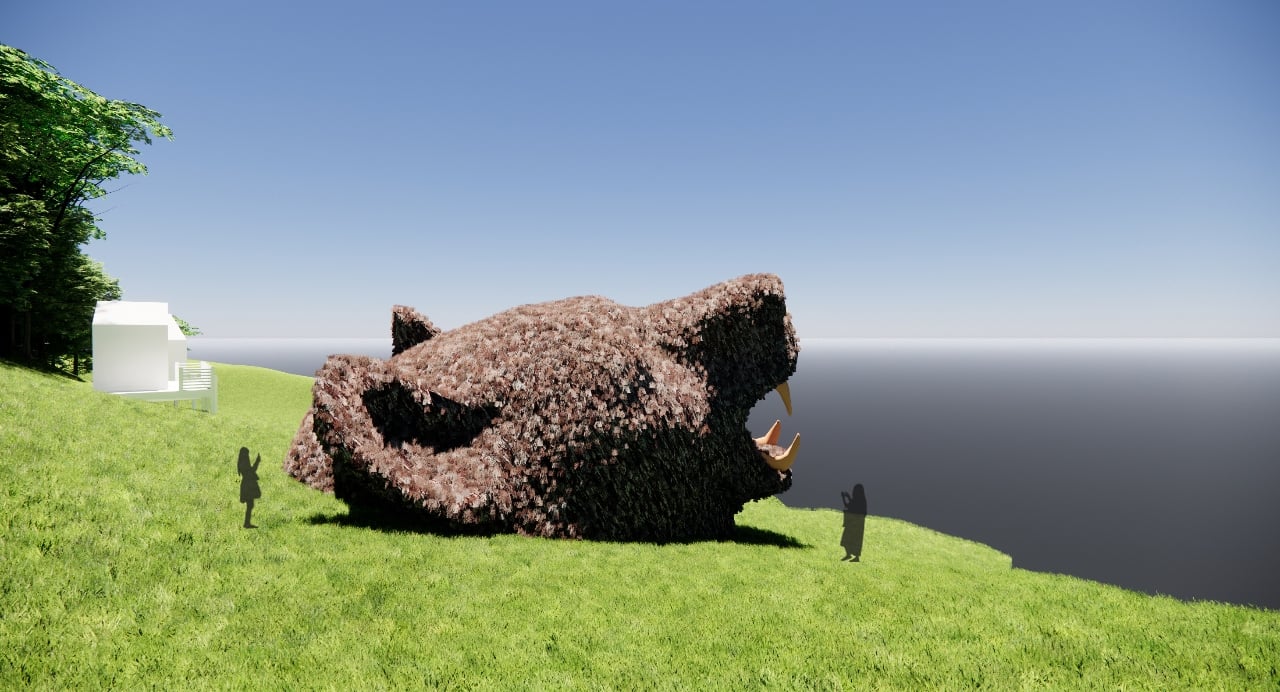
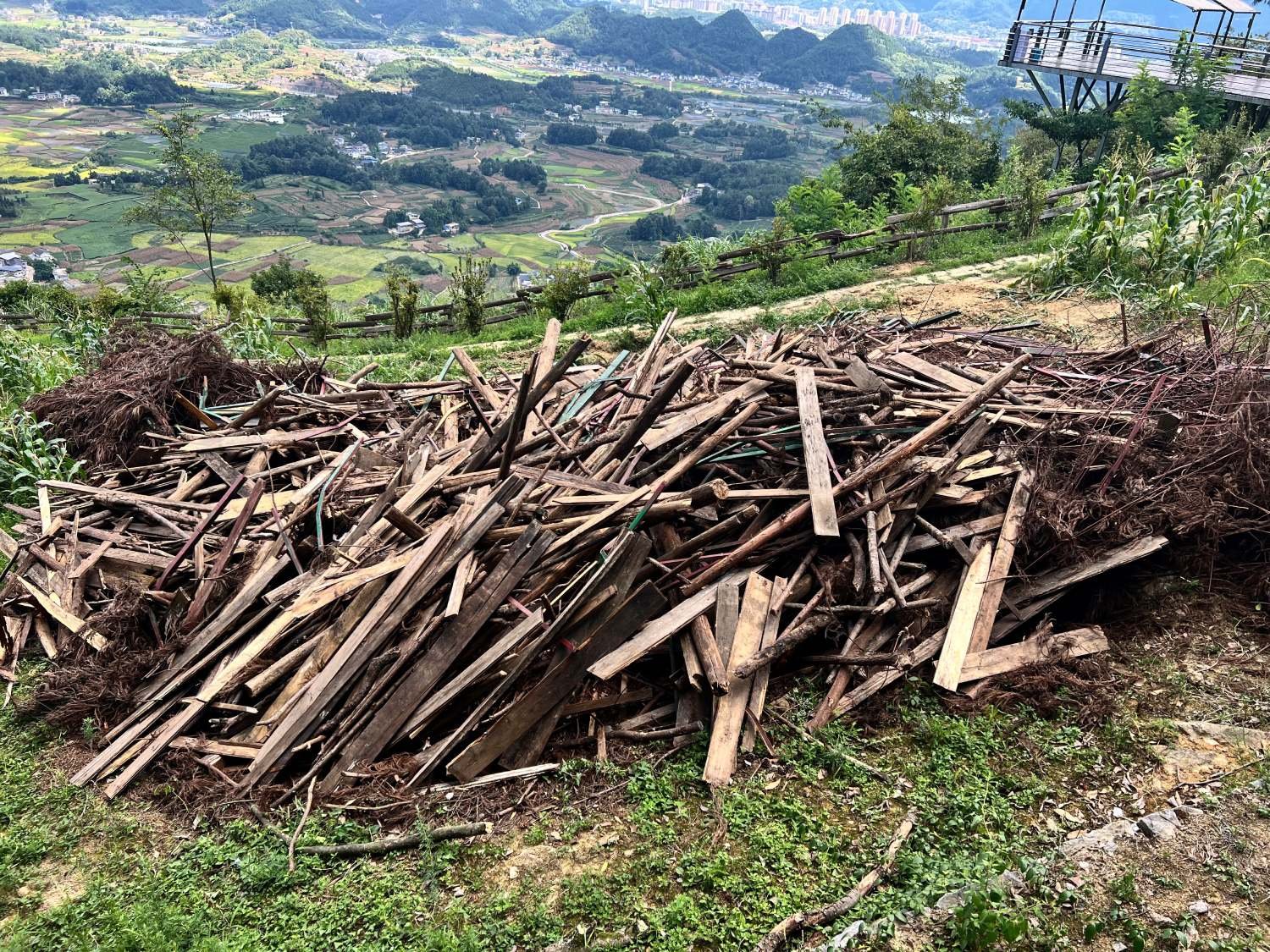
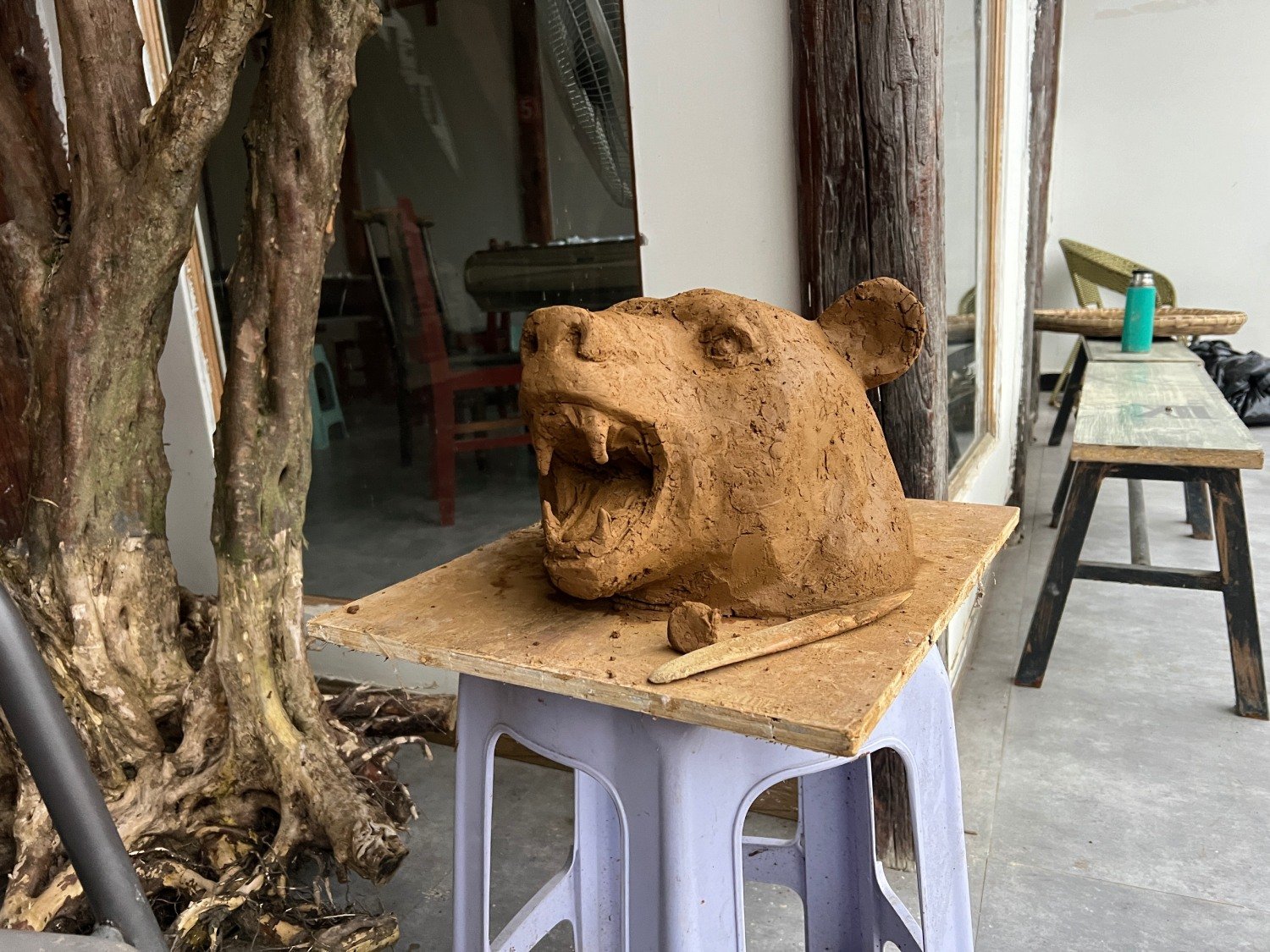
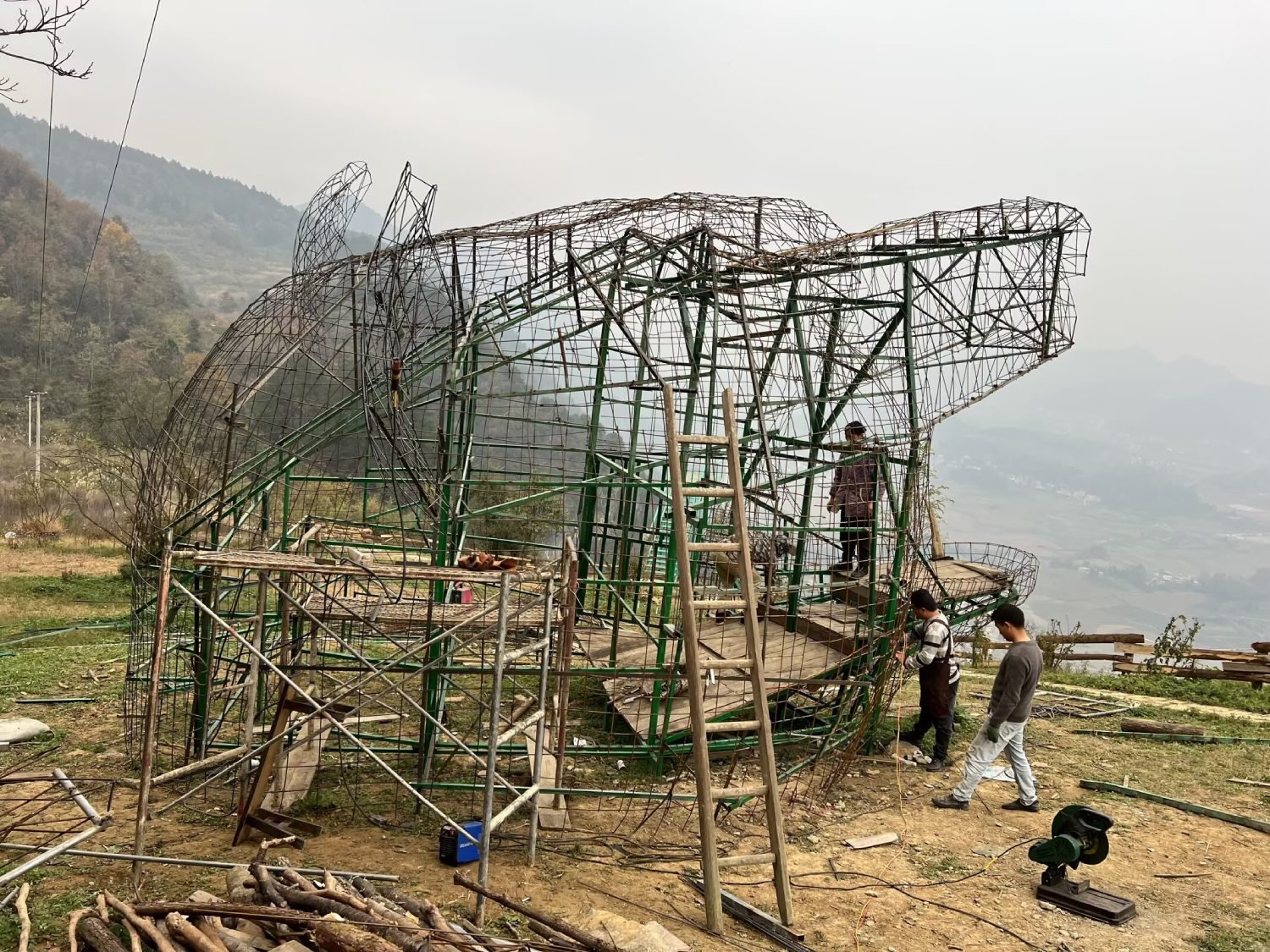
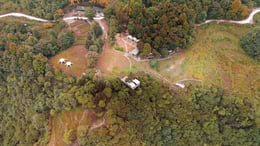
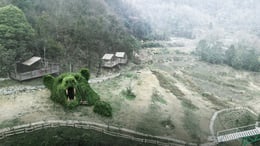
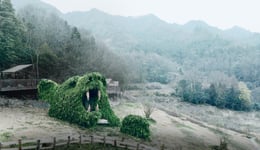
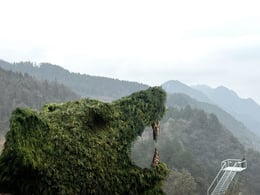
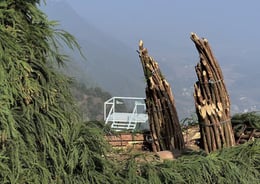
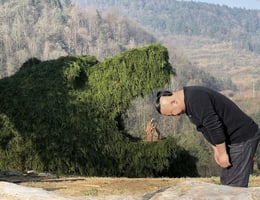
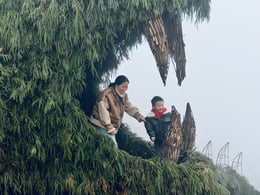
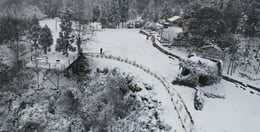
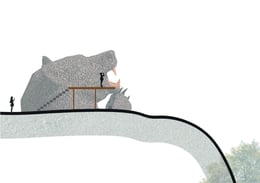
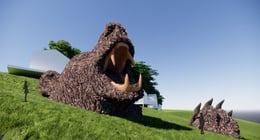
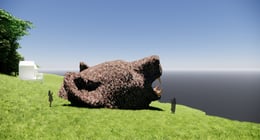
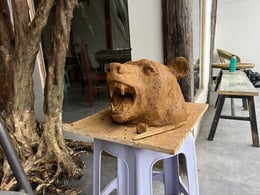
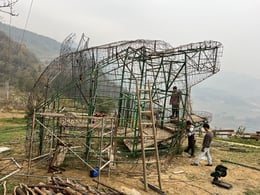
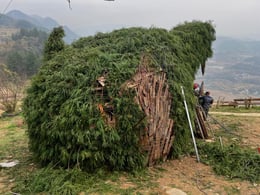
After the entire village was relocated from the mountainside by local government, a group of young locals took the spontaneous initiative to preserve the original village site, and repurposed demolition waste to develop an eco-tourism farm. Inspired by this initiative, the design team proposed building an 8-meter-high bear head using construction debris to revive “Grandma Bear,” a legendary forest guardian. Facing the village below, the sculpture waves its paw, forming a symbolic landmark. This figure soon became a tourism IP, leading to products and an eco-art workshop. All builders were original residents, reinforcing community involvement and cultural memory.
Votazioni chiuse


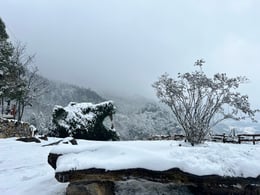
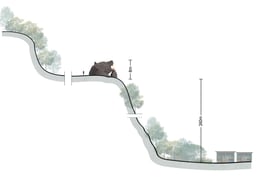
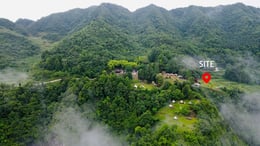
The sculpture exists in symbiosis with the mountainous landscape, conceived as a forest spirit born from nature. Situated on a 927-meter-high plateau facing a 200-meter cliff and cloud sea, it has become a visual focal point for the village’s tourism area below. Rather than imposing itself, the work harmonizes with its environment, drawing strength from terrain, altitude, and weather to become a natural landmark that honors its surroundings rather than dominating them.

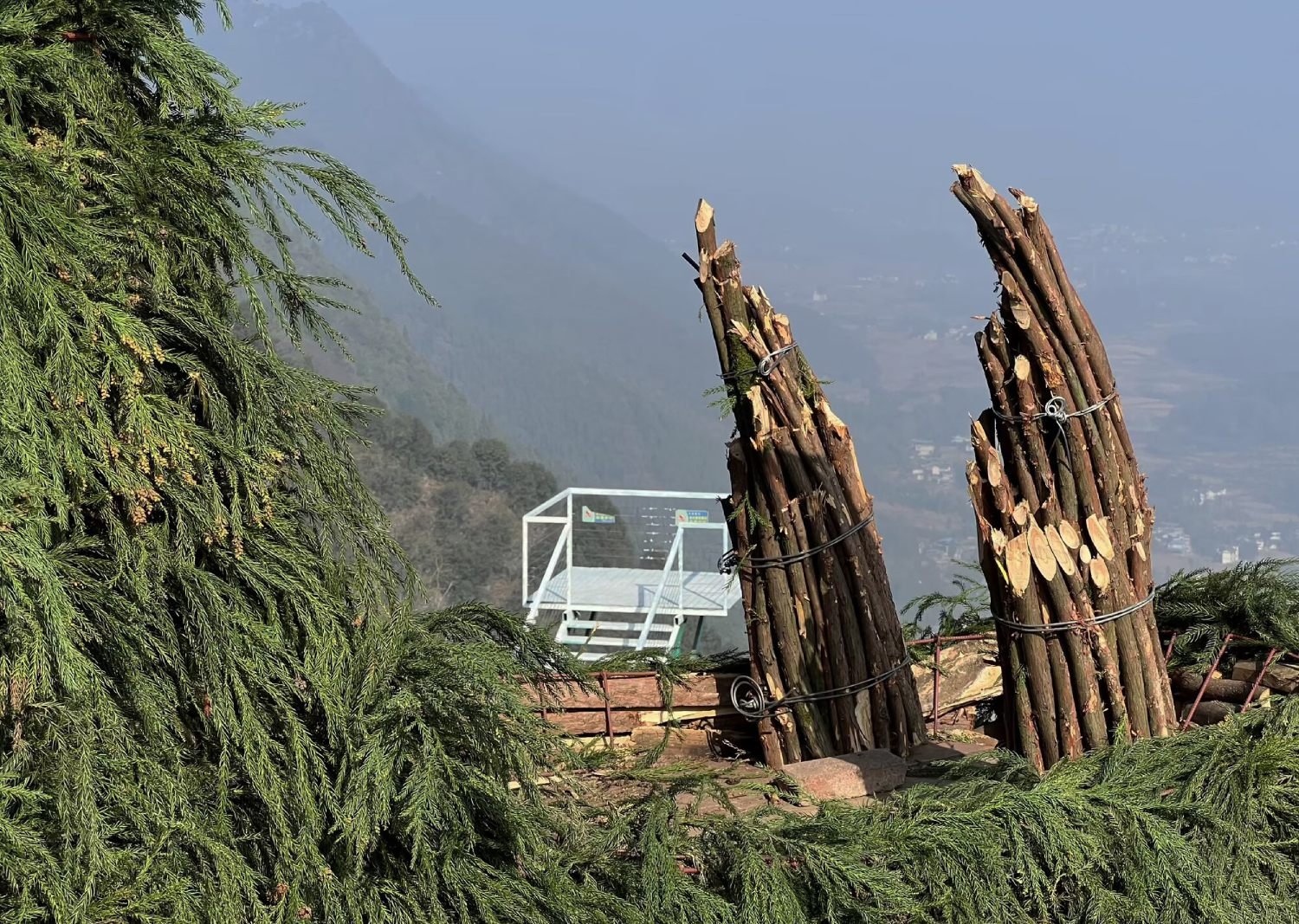
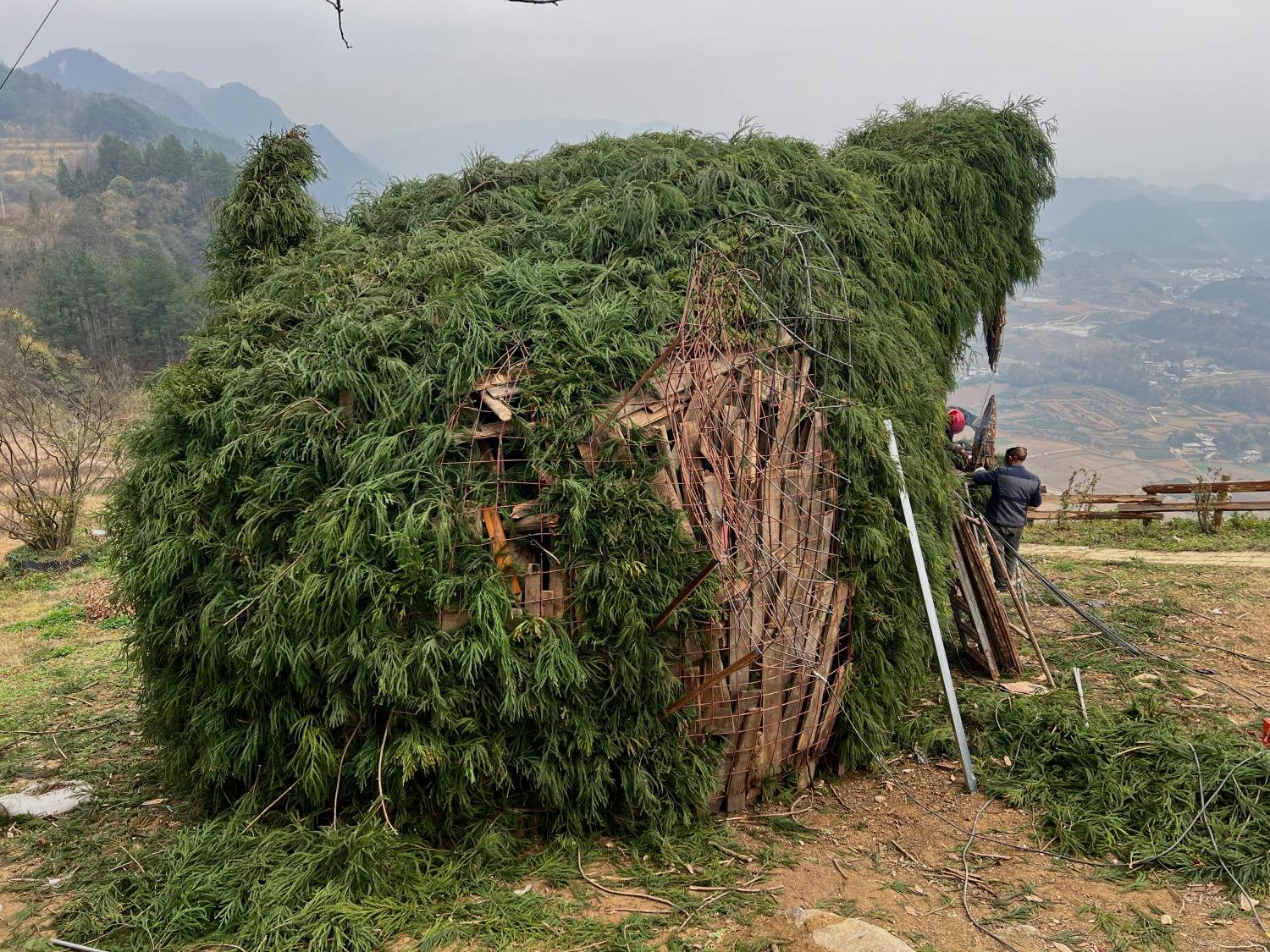
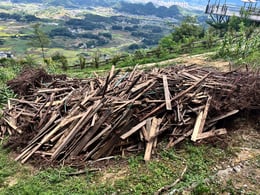
The main structure was built from salvaged wood—primarily pine and cedar—collected from demolished village houses, shaped with lightweight steel, and wrapped with five types of local climbing plants such as kudzu and ivy. Eco-friendly hemp rope was used for binding. Natural wood cavities and cracks were deliberately retained to serve as nesting spaces for birds, fungal colonies, and insect habitats, allowing the sculpture to support and coexist with its ecosystem.

Grandma Bear is a living landmark—a work of ecological public art born from demolition waste and native vines. It transforms a powerful folk symbol into a breathing sculpture that evolves with the seasons. As both a tourist attraction and a spiritual anchor for returning villagers, it achieves a sustainable integration of cultural memory and rural economic activation.
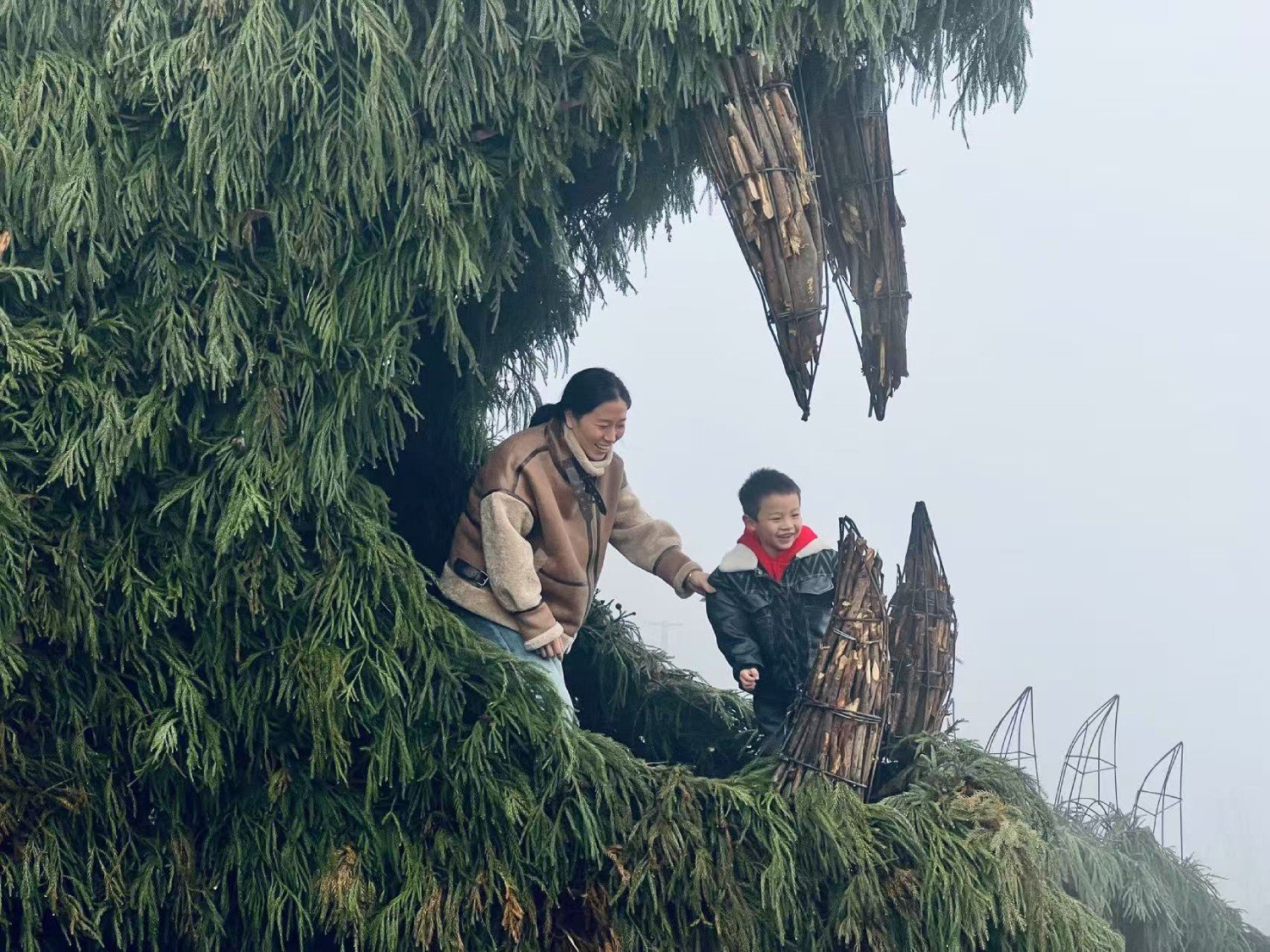
Constructed by local residents using low-tech methods, the sculpture embodies a co-creation between humans and nature. It becomes a site of engagement, ritual, and play—where folklore, plants, animals, weather, and time are active participants.
Initiated under the Zhuhai Design Center’s Designer Residency program, the project exemplifies how recycled materials and collective storytelling can be used to empower community identity, ecological education, and creative rural regeneration.
Grandma Bear turns the entire mountain into a work of land art.

Villagers welcomed the sculpture as a “mountain deity come to life,” spontaneously offering wild fruits at the base of the bear’s head. As tourist visits increased, local farm owners began developing cultural products like rattan-woven bear figures. Local officials and scholars praised the ever-growing bear for not only reactivating Meitan’s forest landscape but also awakening a sense of “spiritual homeland” in the hearts of urban dwellers


Cheng Dapeng
Architect / Contemporary Artist
Founder of Do-Union, an interdisciplinary platform integrating architectural practice with contemporary art experiments. His work explores strategies of urban spatial regeneration and the implantation of cultural DNA.
Deeply involved in China’s urban transformation, Cheng has designed numerous cultural architecture projects. As the first Chinese architect to hold a large-scale exhibition in a city-level museum as an contemporary artist, he offers dual perspectives to critically reflect on China’s modernization, focusing on urbanization critique.
His work “Wonderful City”(2012) was the first 3D-printed Chinese artwork collected by an international museum (White Rabbit, Australia).
In 2015, he created the large-scale public art piece “AO” for Sweden’s OPENART 2015. In 2018, he transformed the Tiger Mountain at Beijing Zoo into an art museum—an avant-garde practice merging ecological ethics, public art, and social engagement.